

Last updated October 30, 2026
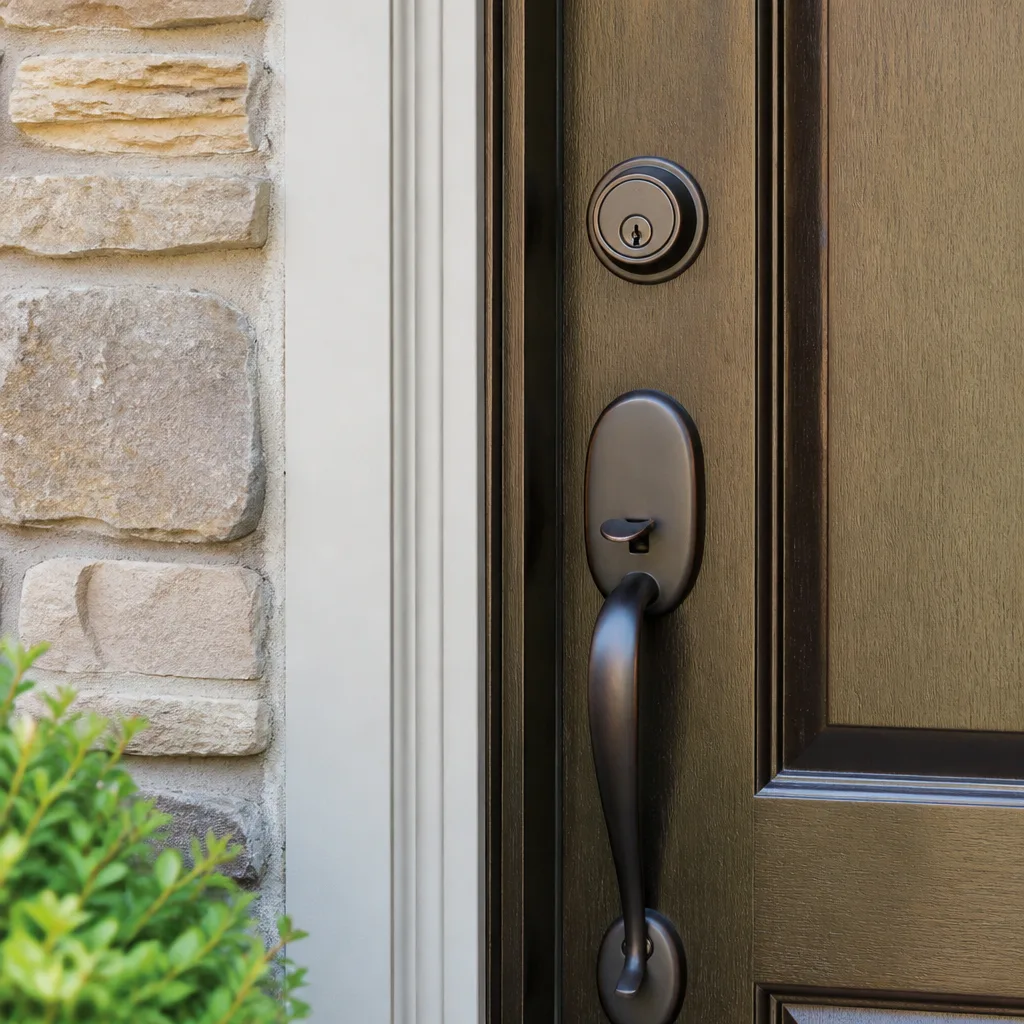 House lockouts
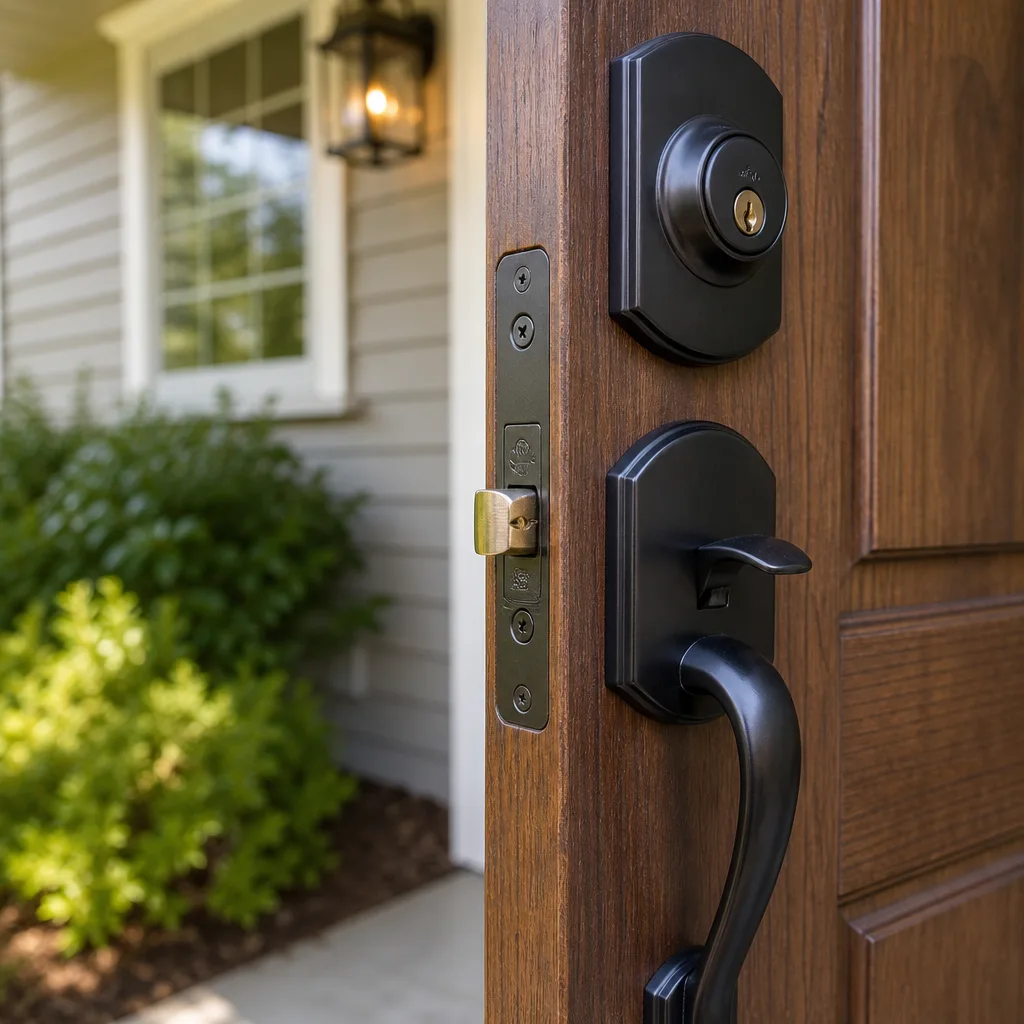 Re-keying
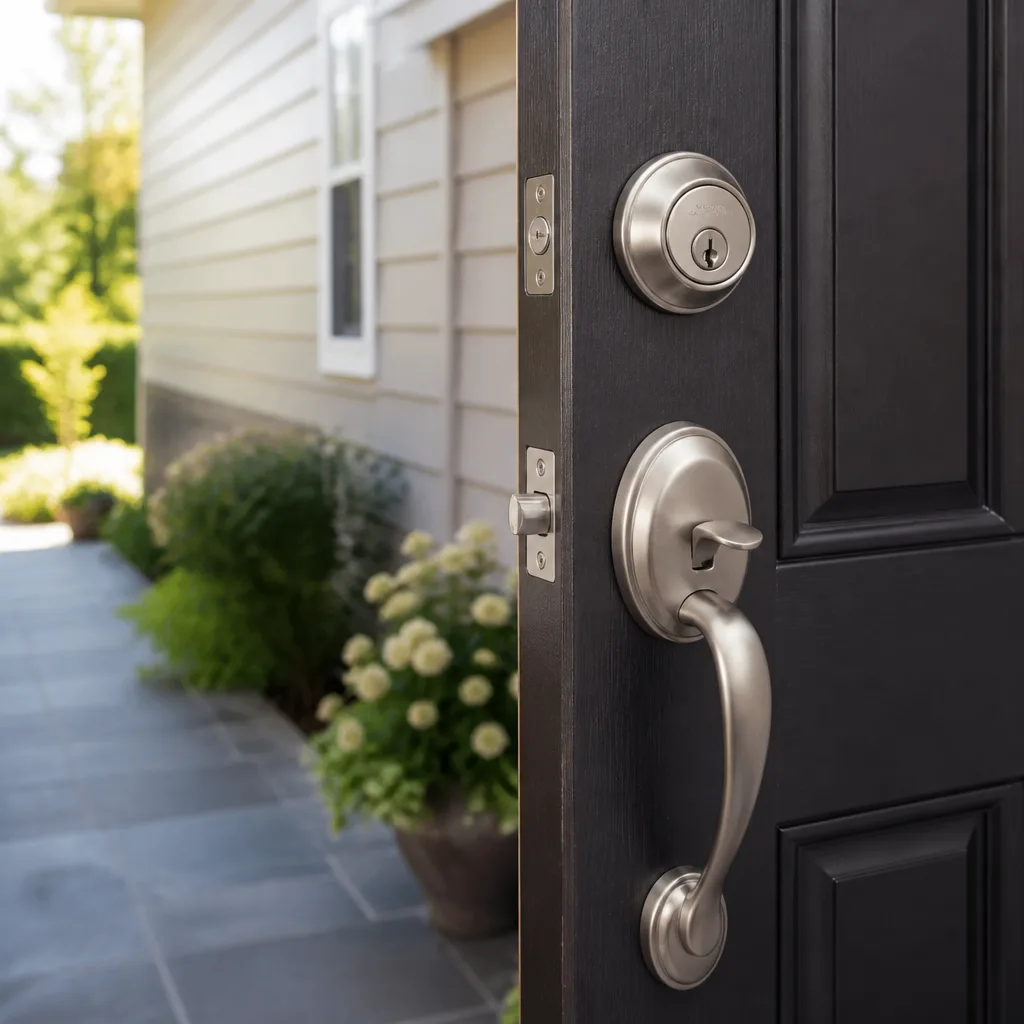 Deadbolt upgrades
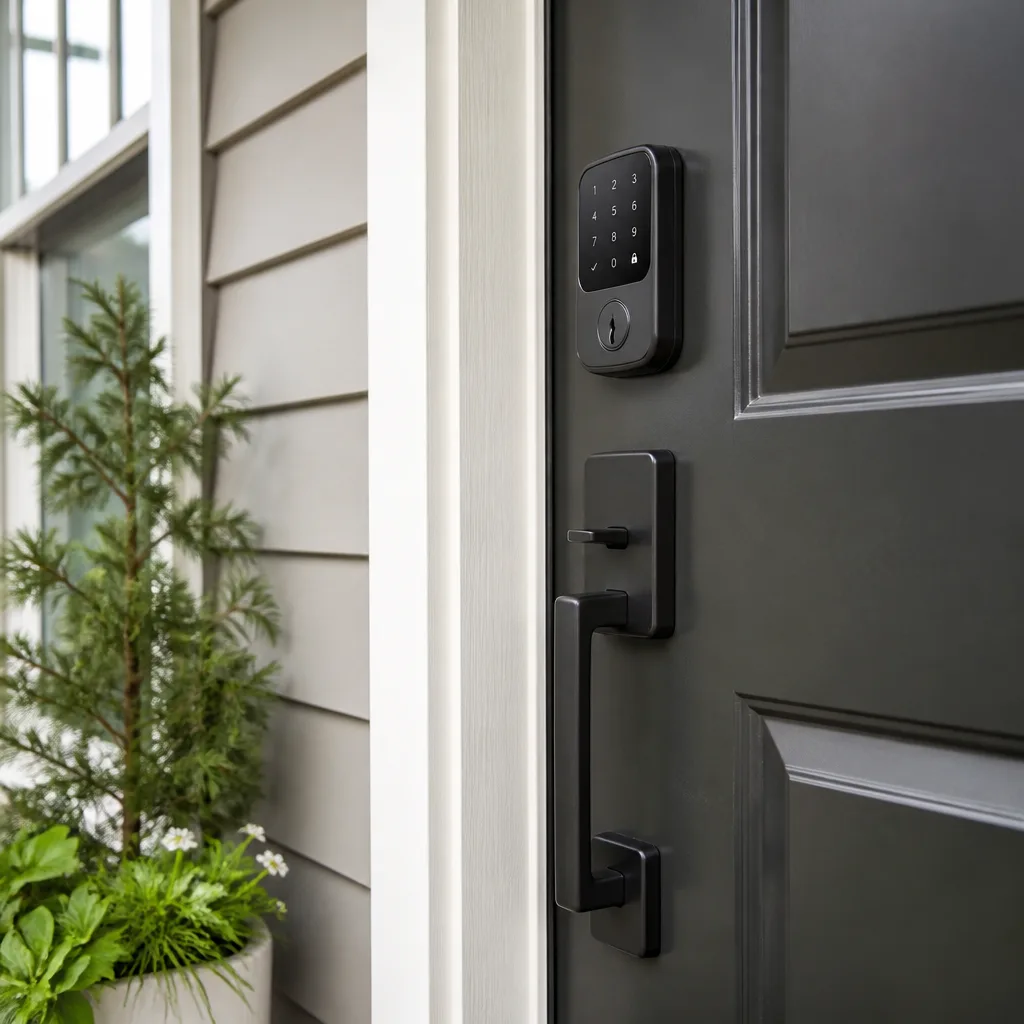 Smart locks
 Schlage
 Kwikset
 Car keys & fobs
Non-destructive entry first, always - and we re-key Schlage, Kwikset, and Baldwin locks on the spot while you watch
You get a price before we start. It does not change when we arrive. No surprises.
Get your free estimateCar Key Replacement Maintenance Checklist for St. Johns Homeowners
Most car key failures in St. Johns don’t start with a dead key. They start with a slow, silent breakdown of the system around it. We regularly see vehicles towed to dealerships for a $600 repair that a $40 fob battery and fifteen minutes of reprogramming would have solved months earlier. This guide walks through the five components of your car key system, how each one degrades on its own timeline, and the seasonal maintenance routine that keeps a $150 replacement from becoming a $600 tow. If you drive in St. Johns, this is the checklist that keeps you out of the dealership’s service bay.
Styles & brands we work with
Quick Answer
Your car key isn’t one component – it’s a system of five: key blade, transponder chip, fob shell, battery, and the vehicle’s ECU pairing. The maintenance checklist that prevents a costly car key replacement in St. Johns FL comes down to testing each component twice a year, replacing fob batteries every 12-18 months (not the 3-5 years packaging claims, especially in Florida’s humidity), keeping the blade clean and dry, and confirming your old or lost keys are properly deleted from the vehicle’s memory. Ten minutes every spring and fall prevents most failures we see in the field.
Table of Contents
- The Five-Part Car Key System Most Owners Don’t Know Exists
- Why St. Johns Heat and Humidity Accelerate Key and Fob Failure
- The ECU Pairing Step: Why Deleting Old Keys Matters More Than Programming New Ones
- How to Test Whether Your Key Is Failing vs. Your Vehicle’s Receiver
- Fob Battery Replacement: The Real Interval for Florida Drivers
- The Seasonal Maintenance Checklist: Spring/Summer vs. Fall/Winter
- Common Mistakes to Avoid
- When to Call a Professional
- Frequently Asked Questions
- The Bottom Line
The Five-Part Car Key System Most Owners Don’t Know Exists
Ask most St. Johns drivers what a car key is and they’ll describe a piece of metal that turns in an ignition or a plastic fob with buttons. Both answers miss the actual architecture. Every modern vehicle key operates as a coordinated system of five independent components, and each one degrades on its own schedule. When one component fails, the symptom often shows up somewhere else in the system, which is why so many people replace a functioning key while the real culprit goes untouched.
1. The key blade. This is the physical metal portion that turns the ignition cylinder or door lock. Blades wear from friction against lock pins, from pocket grit, and from being used as a tool for things keys are not meant to do. Brass blades on older vehicles wear faster than the nickel-silver used in modern keys. A worn blade will feel loose in the cylinder, require jiggling, or bind in the lock.
2. The transponder chip. This is a small RFID chip embedded in the plastic head of the key. It contains a code your vehicle’s immobilizer must recognize before the engine will start. Transponder chips have no battery, so they don’t die, but they can crack from drops, detach from the key head, or fail from exposure to sustained heat. In St. Johns, dashboards and center consoles regularly exceed 140 degrees in summer, and we have seen transponder micro-fractures result from that thermal cycling.
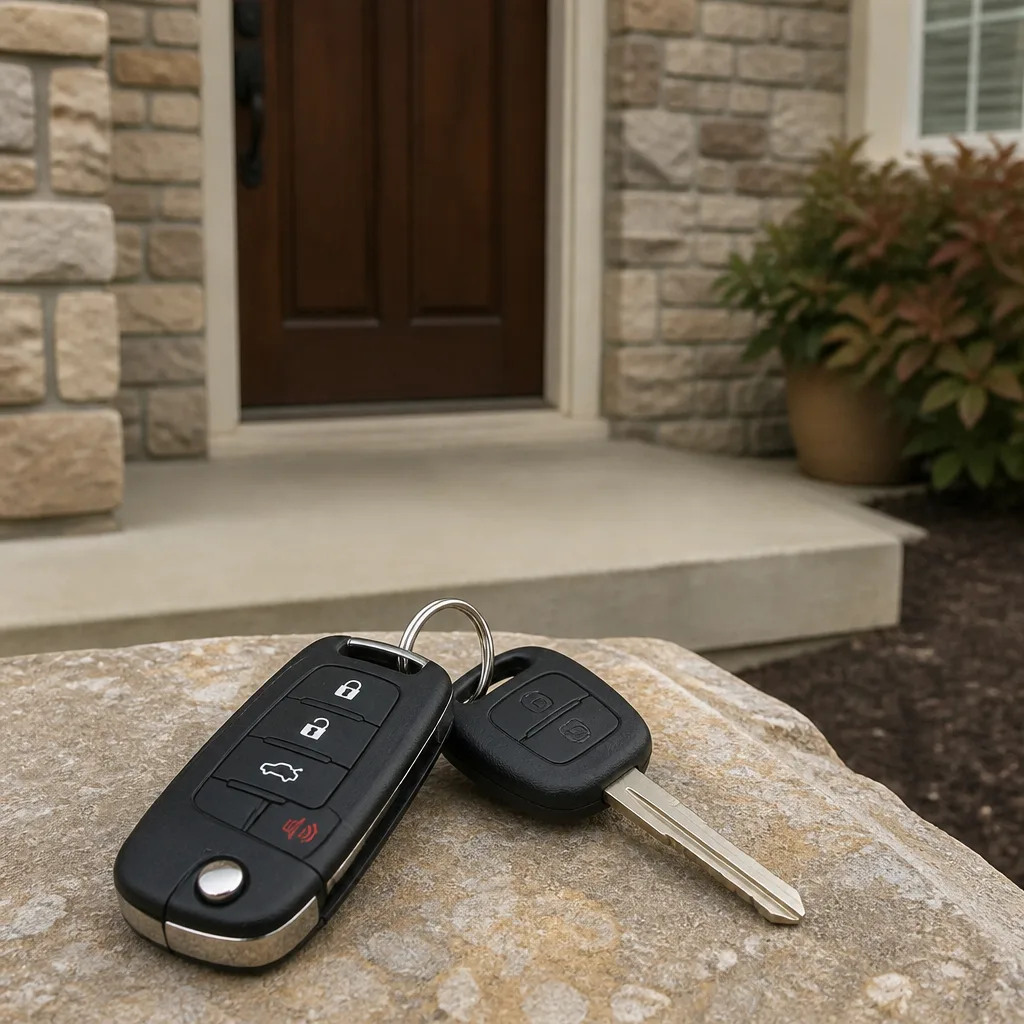
3. The fob shell. The plastic housing that holds the electronics. Shells crack at the keyring attachment point, the button membrane wears through, and the rubber dome buttons lose their tactile response. A failing shell is often mistaken for a failing battery because the symptoms are similar: buttons need harder presses, range decreases, and eventually the fob stops responding entirely.
4. The battery. Most fobs use a coin cell battery, typically CR2032 or CR2025. These are rated for a certain number of operating cycles, but environmental factors change the equation. More on this below.
5. The ECU pairing. This is the least visible component and the one most often overlooked. Your vehicle’s engine control unit stores a list of transponder codes authorized to start the engine. When a new key is programmed, it should be added to that list – and old, lost, or damaged keys should be deleted from it. Many automotive locksmiths and nearly all DIY programming methods skip the deletion step. The result is a vehicle whose ECU is juggling codes for keys that no longer exist, and that creates conflicts that surface gradually over months.
Understanding these five components changes how you maintain your car key. The fob battery is replaceable in minutes. The shell is replaceable independently of the electronics. The blade can be cut fresh. But the ECU pairing is the component most St. Johns drivers never know to check, and it’s the one that causes the most confusing, intermittent failures. Our Car Key Replacement in St. Johns service handles all five components in one visit.
Why St. Johns Heat and Humidity Accelerate Key and Fob Failure
Florida’s climate is not neutral to automotive electronics. St. Johns sits in a subtropical zone where summer temperatures climb into the mid-90s and relative humidity stays above 70 percent for months at a time. That combination does two things to car key systems that most national advice fails to account for: it accelerates chemical reactions inside batteries and it degrades the polymers in fob shells and rubber button membranes through repeated thermal expansion and contraction.
Coin cell batteries are rated at 3.0 volts and specified for temperature ranges that often stretch from -30 to 60 degrees Celsius in the data sheet. That sounds fine until you measure the actual temperature inside a car parked on St. Johns asphalt in July. Interior surfaces routinely reach 140 to 160 degrees Fahrenheit. At those temperatures, the self-discharge rate of a lithium coin cell rises significantly. A battery that would last three years in a temperate climate may last eighteen months in St. Johns. In our experience, the practical replacement interval for fob batteries in this market is 12 to 18 months, regardless of what the packaging claims.
Humidity is the second factor. St. Johns summers mean high dew points, which means condensation is a constant presence in transition zones – your pocket, your purse, the center console, the door pocket where the spare lives. Moisture wicks into the fob through the button membrane and the seam between the two shell halves, then sits against the circuit board when temperatures swing. That moisture carries dissolved salts and contaminants that corrode contacts and traces on the board. The result is a fob that works sporadically – fine in the morning, dead by 2 p.m., working again after a few minutes in hand.
The takeaway for St. Johns homeowners is simple: your maintenance schedule should not be based on a generic national recommendation. Florida’s climate cuts battery life in half and puts constant stress on fob shells and button membranes. Check twice a year, replace proactively, and don’t wait for the failure that always seems to happen on the hottest day of the year in a parking lot off County Road 210.
The ECU Pairing Step: Why Deleting Old Keys Matters More Than Programming New Ones
Here is the scenario we see repeatedly across St. Johns. A homeowner loses a key, calls a mobile locksmith, gets a replacement cut and programmed, and everything works fine. Six months later, the new key starts behaving erratically – intermittent no-start, doors unlocking but ignition refusing, the immobilizer light staying on. The owner assumes the replacement key is defective. The locksmith they originally called is gone or unreachable.
What actually happened is usually this: the old lost key was never deleted from the ECU. Most vehicles store between four and eight transponder slots in memory. When a new key is added, it takes the next open slot. The old key occupies a slot indefinitely. In many cases that’s fine – the vehicle’s immobilizer simply recognizes both codes and life goes on. But in a meaningful percentage of vehicles, particularly European makes and newer domestic models, the presence of stale codes creates diagnostic conflicts. The anti-theft system polls all stored codes during startup. A code for a key that no longer exists generates a fault that sometimes triggers, sometimes doesn’t. The owner experiences this as an intermittent problem with no clear cause.
This is a programming step that separates a thorough key replacement from a quick one. Deleting old or lost keys requires the same diagnostic equipment used for programming, but adds a step: entering the immobilizer module, displaying all stored keys, identifying the ones that should not be there, and erasing them before adding the new code. It takes a few extra minutes. Many mobile locksmiths skip it because the immediate job – making the new key work – is complete without it.
If you have a key replaced, ask specifically whether old keys were deleted from the vehicle’s memory. If the answer is a blank look, you have learned something. And if you have a vehicle that has been through multiple key replacements over the years, consider having a diagnostic scan performed to identify how many transponder codes are stored and whether any should be purged. This is not a do-it-yourself procedure. It requires diagnostic equipment and knowledge of the specific vehicle’s immobilizer architecture. But it is the single most overlooked step in preventing future entry and starting failures. Want to understand more about how the full replacement process works? See our guide on car key replacement in St. Johns for the complete picture.
How to Test Whether Your Key Is Failing vs. Your Vehicle’s Receiver
When a car key stops working, most people assume the key is the problem. But the key is only half of the communication loop. The other half is the vehicle’s receiver antenna, and a failure in that antenna produces symptoms nearly identical to a failing key. Knowing the difference before you call anyone can save you from paying for a key replacement that doesn’t fix the actual problem.
Here is the test protocol we use in the field:
- Test with the second key. If you have a spare, use it. If the spare works reliably and the primary key is intermittent, the issue is the primary key – battery, shell, or transponder. If both keys exhibit the same symptoms, the problem is likely the vehicle side.
- Test at different distances and positions. Stand next to the driver’s door and operate the fob. Move to the front bumper. Move to the rear. Move ten feet away, then twenty. Receiver antenna issues often show a directional pattern: the fob works from one side of the vehicle but not the other. A key with a weak battery typically shows uniform weakness at all positions, not direction-specific dead zones.
- Test the physical key blade in the door cylinder. If the blade turns the door lock mechanically but the fob buttons don’t work at all, check the battery first. If a fresh battery doesn’t solve it, the issue is the fob’s transmitter circuit or the vehicle’s receiver.
- Test for immobilizer-specific failure. A vehicle that unlocks with the fob but won’t start is showing a transponder/immobilizer issue, not a fob battery issue. The fob buttons use one frequency; the transponder chip uses a passive RFID signal that the immobilizer reads when the key is near the ignition. If the car unlocks but the engine cranks and dies or the immobilizer light stays solid, the problem is transponder recognition – either the chip in the key or the receiver antenna near the ignition barrel.
- Check for aftermarket electronics interference. Cheap USB chargers, LED light strips, dash cams, and Bluetooth adapters generate radio frequency noise on bands that can interfere with key fob reception. If your key started misbehaving around the same time you added an accessory, unplug the accessory and repeat the test. This cause is more common than most people realize.
If your testing points to the key, a replacement is the right call – and it is usually a job done in the field, not at a dealership. If testing points to the vehicle’s receiver antenna, you need a diagnostic technician who can test the antenna’s continuity and signal output. Some independent shops can do this; some repairs are dealer-only if the receiver module is integrated into a larger component. The key distinction is that a receiver problem cannot be fixed by replacing the key, and you should not pay for a key replacement until someone has ruled out the vehicle side of the equation.
Fob Battery Replacement: The Real Interval for Florida Drivers
The battery inside your key fob is a lithium coin cell, and it has a rated service life that assumes moderate temperatures and normal use. The packaging might say three to five years. The reality in St. Johns, as we discussed earlier, is different. Sustained heat exposure inside the vehicle, combined with humidity-driven corrosion risk, means the practical replacement interval in this climate is 12 to 18 months for most vehicles.
That is not a sales pitch for more frequent batteries. It is an observation drawn from the batteries we replace. A fob battery in St. Johns typically dies in one of two ways. The first is a slow voltage sag: the fob’s range decreases from 30 feet to 10 feet to requiring you to stand next to the vehicle, and eventually to dead. This progression can take weeks, and drivers often compensate by moving closer without thinking about why. The second is a heat-assisted failure: the battery appears fine one day and is dead the next, often after a hot spell during which the car sat in the sun.
There is a third, subtler issue: oxidation on the battery contacts inside the fob. In humid conditions, the contact springs and pads develop a thin film of corrosion that adds resistance to the circuit. A battery that measures 3.0 volts in isolation may only deliver 2.6 volts through a corroded contact. The fob works intermittently because the resistance varies with temperature and humidity. Cleaning the contacts with a dry cotton swab and replacing the battery solves this, but many people replace only the battery and see the problem return weeks later.
For St. Johns drivers, the maintenance rule is simple: replace the fob battery every fall before the holiday season (when driving increases and failures are most inconvenient), and carry a spare coin cell in the glove box in a sealed plastic bag. Test the fob range every month in a consistent location, like your driveway. If you notice the range has shrunk, replace the battery now, not when it dies.
One note on replacement procedure: most fobs open with a small flathead screwdriver in a seam or a coin twist in a slot. The battery is a standard CR2032 or CR2025, available at any auto parts store in St. Johns. But if your fob shell is cracked, prying it open may finish the job and leave you with a fob that won’t hold together. If the shell shows ANY cracks, have it replaced with the battery – shells cost a fraction of a new key, and replacing them proactively prevents a cascade failure. We cover fob shell and battery replacement as part of our standard car key replacement in St. Johns service.
The Seasonal Maintenance Checklist: Spring/Summer vs. Fall/Winter
St. Johns doesn’t have a traditional fall and winter, but the seasonal shift matters for car key maintenance in ways that have more to do with humidity patterns, temperature swings, and driving habits than with cold. Here is a twice-yearly checklist built for this specific climate.
Spring/Summer Checklist (April through September)
- Inspect the fob shell for heat damage. Look for softening, warping, or UV discoloration on the plastic, especially if the fob lives on a dashboard or in a console that gets direct sun. UV exposure degrades the polymer and makes shells brittle over months. A sunscreen flap or glove box storage prevents most of this.
- Check the button membrane. Heat accelerates the breakdown of the rubber dome under each button. Press each button and note whether the click is crisp or mushy. A mushy button is the first sign of membrane failure.
- Clean the blade and keyring area. Summer sweat, sunscreen, sand, and salt air all collect on keys. Wipe the blade with a dry cloth and check the keyring attachment point for hairline cracks. A key that falls off a ring at the beach is a key that’s gone.
- Test the transponder through the vehicle. With the fob battery fresh, verify the key starts the engine in all modes: key in dash, push-button start, and remote start if equipped. Heat-related transponder failures typically show up during the first hot spell.
- Lubricate the door and trunk cylinders. Use a graphite or dry Teflon lubricant in the mechanical lock cylinders. Humidity-corrosion binds lock pins; a quick shot of dry lubricant every spring keeps the blade from wearing prematurely and prevents the cylinder from seizing. Never use WD-40 or oil-based lubricants – they attract dust and gum up the cylinder.
Fall/Winter Checklist (October through March)
- Replace the fob battery proactively. This is the single most important fall task. A fob battery that’s been through a St. Johns summer has already used a meaningful portion of its service life. Replace it in October every year and you will rarely see a dead fob.
- Inspect for corrosion from summer humidity. Open the fob and inspect the battery contacts and circuit board for white or green deposits. Clean with a dry cotton swab. If corrosion is significant, replace the fob shell internals before they fail.
- Check the emergency key blade’s fit and finish. In push-button-start vehicles, the hidden emergency key blade gets used rarely, but it must work when you need it. Pull it out, inspect it, and verify it fits and turns in the hidden door cylinder – usually located behind a trim piece on the driver’s door handle.
- Test the spare key. If you have a spare, use it for a week every fall. This rotates usage, exercises the transponder, and confirms the spare works before you need it.
- Review which keys are still in the vehicle’s memory. If you’ve lost a key in the past year and never had the old code deleted, now is the time. A diagnostic scan can identify how many transponder codes are stored. Purging stale codes before winter travel prevents a no-start in a remote parking lot.
This twice-yearly routine takes ten to fifteen minutes and costs a few dollars in batteries and lubricant. It removes most of the failure modes we see towing vehicles off I-95 or out of the St. Johns Town Center parking lots. The failures that still happen after this routine are the ones no amount of maintenance can prevent – component failure, receiver issues, or a key that becomes physically damaged. For those, a professional replacement is the answer, usually in the field, usually same day.
Common Mistakes to Avoid
- Replacing the battery and calling it fixed. A weak battery is one failure mode. A cracked shell, corroded contacts, a damaged transponder, or a stale ECU code can all mimic a dead battery. Replacing the battery may temporarily relieve symptoms without addressing the actual problem. Test the system, not just the battery.
- Waiting for total failure before acting. Key systems rarely fail without warning. Reduced range, inconsistent button response, the need to press harder, or an immobilizer light that flashes occasionally are all early signals. Address them when they appear and a $40 fix stays a $40 fix.
- Storing the spare key in the car. It is St. Johns, the spare lives in the center console, and every thief knows that. A spare key inside the car defeats the purpose of a spare and turns a break-in into a stolen vehicle. Store the spare at home, in a safe, preferably in a Faraday pouch to prevent relay attacks.
- Using the wrong lubricant on lock cylinders. WD-40 is a solvent, not a lubricant, and it strips the factory grease from lock pins. Graphite or dry Teflon only. A gummed-up cylinder from oil-based lubricants is one of the most common reasons we replace door lock hardware.
- Programming a new key without deleting the old one. Covered in depth earlier, but worth repeating: stale transponder codes in the ECU create conflicts that surface as intermittent no-start conditions months later. If a new key gets programmed, the old codes get deleted. Insist on it.
- Assuming any key replacement requires a dealership and a tow. Most modern vehicles can have keys cut and programmed in the field with the right equipment. A tow to a dealership adds hundreds to the cost and a day or more to the timeline. A mobile locksmith with the right diagnostic gear is the faster and usually cheaper path. Our emergency locksmith in St. Johns service handles on-site key issues without the tow.
- Ignoring the emergency key blade in smart-key vehicles. That little metal blade hidden in the fob is the only mechanical access you have when the fob fails. Most St. Johns drivers we survey have never tested it. Test it twice a year. If it doesn’t work, you have a problem you didn’t know about.
When to Call a Professional
Some maintenance tasks are genuinely do-it-yourself: battery replacement, shell inspection, contact cleaning, blade wiping. Others cross into professional territory for a simple reason: the tools and knowledge required are specialized, and a mistake compounds the problem. Call a professional when the transponder chip is damaged or the key is physically broken, when the key needs to be cut from the vehicle’s key code rather than duplicated, when the ECU has stale keys that need deletion, when the vehicle’s immobilizer is involved in any way, or when you have tested both keys and the vehicle receiver appears to be the source of the problem. If you’re in St. Johns, Kingsley Locksmith offers free estimates – call (855) 360-5957 to have one of our technicians assess your key system on-site. We service the full spectrum from rekeying locks in St. Johns to high-security automotive key systems, and we carry the diagnostic gear needed to read and reprogram ECUs in the field – no tow required.
Frequently Asked Questions
Car key replacement in St. Johns typically ranges from $150 to $450 depending on the vehicle’s year, make, and whether the key includes a transponder chip, fob buttons, or smart-key functionality. Basic transponder keys for older models sit at the lower end; smart keys and proximity fobs for newer vehicles sit at the higher end. Some luxury and European models exceed that range. The full price is quoted on the phone before anyone is dispatched, and it is the price on the invoice. Call (855) 360-5957 for an exact quote – estimates are free.
Yes. The price quoted on the phone before dispatch is the price on the invoice – no call-out surcharge added on arrival, no last-minute adjustments. If the job requires additional parts or labor beyond what was discussed, that is communicated and approved before the work proceeds. Call (855) 360-5957 for a free estimate.
Yes, key replacement is done on-site throughout St. Johns, including Julington Creek, Durbin Crossing, Aberdeen, and the areas off County Road 210 and I-95. We come to your location with the cutting and programming equipment necessary for most vehicles. No dealership visit required. Call (855) 360-5957 to schedule.
Intermittent operation is most often caused by a dying fob battery, corroded battery contacts inside the fob, a cracked fob shell that lets moisture in, or stale transponder codes in the vehicle’s ECU. In St. Johns’ high humidity, oxidation on the contact springs and pads inside the fob is especially common. The fix is usually a new battery and a contact cleaning, but if the problem persists, the transponder or the ECU pairing should be checked by a professional. Call (855) 360-5957 for a diagnosis.
No. For most vehicles, a mobile locksmith with the right diagnostic and programming equipment can cut and program a replacement key on-site, in the field. Dealerships often charge more and require the vehicle to be towed or brought in. Kingsley Locksmith handles car key replacement in St. Johns on-site, without a dealership visit. Call (855) 360-5957 to confirm coverage for your make and model.
Ask whether they delete old keys from the vehicle’s memory before programming new ones, whether they use diagnostic equipment to read the immobilizer module, and whether they service the specific makes and models you drive. A technician who answers confidently about ECU programming and immobilizer architecture is a technician who understands the system. Kingsley Locksmith services the full spectrum of automotive key systems and carries the diagnostic gear to read and reprogram ECUs in the field. Call (855) 360-5957 for a free estimate.
The Bottom Line
Your car key is a system, not a single object. The blade wears, the transponder cracks, the shell degrades, the battery drains early in Florida’s heat, and the ECU accumulates stale codes that create confusing failures months after a replacement. A twice-yearly maintenance routine – spring for heat and humidity checks, fall for battery and corrosion – catches most problems early. When a component does fail, the right professional can fix it on-site without a tow or a dealership visit. Kingsley Locksmith carries the diagnostic equipment for full car key replacement in St. Johns, including transponder programming and ECU key deletion. Call (855) 360-5957 for a free estimate, or visit our Kingsley Locksmith home page to see the full range of services.
Written by the team at Kingsley Locksmith, serving St. Johns since 2016.