

Last updated October 30, 2026
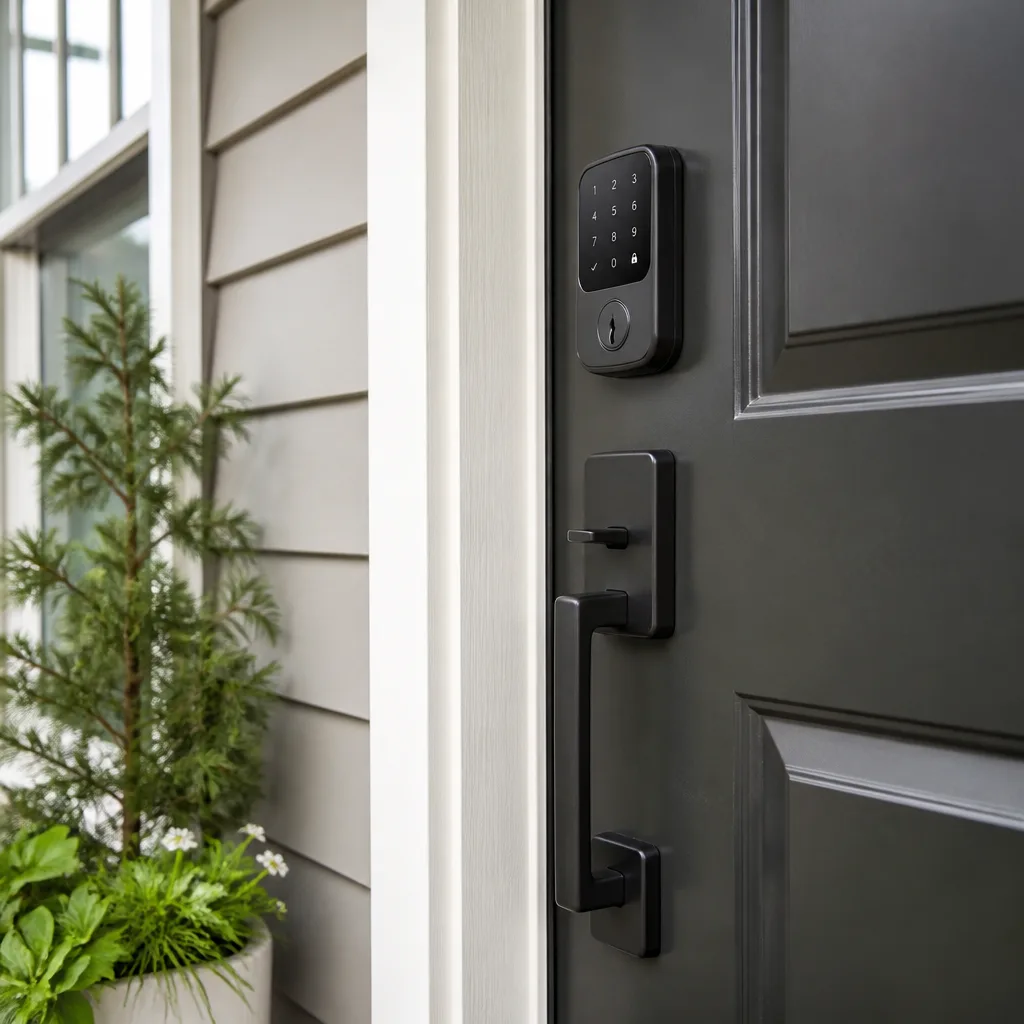 Smart locks
 House lockouts
 Re-keying
 Deadbolt upgrades
 Schlage
 Kwikset
 Car keys & fobs
Non-destructive entry first, always - and we re-key Schlage, Kwikset, and Baldwin locks on the spot while you watch
You get a price before we start. It does not change when we arrive. No surprises.
Get your free estimateSeasonal Locksmith Care for St. Johns: Year-Round Homeowner’s Guide
Most homeowners in St. Johns assume a lock fails because it wears out. In our experience, the opposite is true. Northeast Florida locks fail from neglect that collects during specific months of the year – humidity that condenses inside cylinders from May through September, UV radiation that bakes exterior hardware from March through October, and fall usage patterns that catch people off guard after summer guests leave. This guide maps every season in St. Johns to a specific set of lock maintenance tasks, so you can act before a deadbolt seizes on the night you need it most. For a printable version, see our Car Key Replacement Maintenance Checklist for St. Johns Homeowners.
Quick Answer
Seasonal locksmith care in St. Johns means four things: verify deadbolt alignment and lubricate exterior cylinders before hurricane season, use graphite – not WD-40 – during humid summer months, rekey after summer guests or contractors depart in the fall, and inspect UV-exposed smart locks before they crack. Most of these tasks take minutes, cost almost nothing, and prevent the most common lock failures we see across Northeast Florida.
Styles & brands we work with
Table of Contents
- Pre-Hurricane Season Checklist: April – May
- Summer Maintenance: June – September Humidity and Corrosion
- Fall Reset: October – November Rekeying Protocol
- UV and Heat Effects on Keypads and Smart Locks
- Garage Door and Side-Entry Door Neglect in St. Johns Communities
- The Monthly Maintenance Routine That Prevents Most Failures
- Common Mistakes to Avoid
Pre-Hurricane Season Checklist: April – May
St. Johns sits in a hurricane zone, but the lock failures we see in August and September don’t start with a storm. They start in April and May, when heat and humidity begin their annual climb and small alignment problems become permanent deformations. The prep you do now determines whether your exterior hardware survives a tropical system or fails right when you need it closed and locked.
Ground settling is the invisible culprit in St. Johns, where new construction and master-planned communities mean soil compaction continues for years after a home is built. A door frame shifted by even one-eighth of an inch changes how a deadbolt throw seats in the strike plate. The lock still feels like it works. The throw doesn’t fully extend. Under stress, that’s a failure point.
The April – May Checklist
- Verify deadbolt throw length. With the door closed, turn the deadbolt and check that the bolt extends fully into the strike plate hole. If it stops short, touches the plate edge, or requires pressure on the door to lock, your frame has shifted. Fixing the strike plate now costs far less than forcing a seized bolt in September.
- Inspect door frame alignment on all exterior doors. Look at the gap between door and frame on all four sides. Even gaps mean the hinges are holding. Uneven gaps, especially widening at the top latch side, signal settling. Check the doors most exposed to afternoon sun – metal doors expand and contract with heat cycles, and St. Johns gets plenty of both.
- Examine exterior padlocks for corrosion. Gate locks, shed locks, and breaker panel locks all face full weather exposure. Look for white or green oxidation around the shackle and keyway. A padlock that turns with a gritty feel has internal corrosion already forming. Address it now, not after a lockout.
- Test every key on your property. The front door key, the side door, the garage entry, the deadbolt on the patio. A key that works slowly or intermittently today will not improve by September. Noticing a tight cylinder in May gives you months to address it rather than a panicked evening in peak storm season.
- Make sure you can find every key. It sounds simple, but hurricane prep often means moving valuables and changing storage patterns. A spare key in the wrong drawer is no spare at all. If you’re unsure who has a copy of a particular key, that uncertainty belongs on the fall rekey list.
For homeowners with high-security hardware, the same checklist applies but with more at stake. Systems from brands like Medeco and Mul-T-Lock are designed to resist picking and bumping, but their internal mechanisms still cycle through Florida humidity like anything else. The difference is that when a high-security cylinder fails, it doesn’t get swapped for whatever is on a service truck. It requires a locksmith who carries that brand’s tooling and blanks. Not every shop in St. Johns does. If you invested in high-security hardware, the pre-season check is where that investment gets protected.
Summer Maintenance: June – September Humidity and Corrosion
The most common lock failure in Northeast Florida isn’t wear from use. It’s internal corrosion from humidity cycling through an improperly lubricated mechanism. This problem builds invisibly from May through September and surfaces, typically, as a seized deadbolt or a key that suddenly won’t turn on the first cold-front morning of October. By the time you notice, the damage is already done.
Why does this happen so predictably here? St. Johns air sits at or above 70% relative humidity for most of the summer. Every time an exterior door is opened, that humid air enters the keyway and the cylinder interior. At night, when the temperature drops, moisture condenses inside the lock mechanism. If the cylinder has no lubrication or the wrong lubrication, the humidity does the job a decade of daily use couldn’t.
Graphite vs. WD-40: A Florida Decision
This is the most consequential choice a homeowner makes for their locks, and most get it wrong.
WD-40 is a penetrating oil and water displacer. It is not a lock lubricant. In Florida humidity, spraying WD-40 into a lock cylinder does three things. First, the light oil initially frees up gummy pins, which feels good. Second, the oil leaves a thin film that attracts dust and airborne particulates, which means it collects in the keyway. Third, and most importantly, the carrier fluid evaporates quickly in heat, leaving a sticky residue that traps moisture and accelerates corrosion. We see it constantly: a cylinder that was “working fine after I sprayed it” in June has seized solid by August.
Graphite is a dry lubricant. It coats moving parts without a wet film. There’s nothing for dust to stick to. There’s no carrier fluid to evaporate into residue. In humid environments, graphite is the right choice for traditional pin-tumbler locks and deadbolts. It works across Schlage, Kwikset, Yale hardware, and most standard residential cylinders. The key is application: a small puff into the keyway is enough. More graphite than that creates its own binding problems.
One caveat for smart locks and electronic deadbolts. Do not introduce graphite into a motorized mechanism. Those require a completely different approach: check the manufacturer’s guidance and inspect the weather sealing, which is where most electronic failures begin in St. Johns weather.
Early Signs of Keyway Corrosion
- Key insertion feels rough. A clean cylinder accepts the key smoothly. A cylinder with corrosion forming inside drags on the key. You’ll feel it as a scraping sensation rather than a click.
- Key turning requires sideways pressure. If you find yourself wiggling the key or pressing down to get the plug to rotate, the internal pins are not moving freely. That’s corrosion or graphite build-up.
- Visible oxidation around the keyway. White, green, or black discoloration around the key slot or on the face of the lock is a visual warning. It means moisture has been sitting on that surface.
- Key stays warm after sunlight passes. This is a thermal sign specific to metal cylinders in Florida sun. Residual heat after dark indicates the cylinder is retaining heat, which accelerates drying after condensation cycles.
- Deadbolt sounds different. A bolt that turns with a grinding or squealing sound instead of a clean thunk has internal friction. That friction is caused by rust or dried lubricant.
If you notice any of these signs in June, July, or August, do not wait. A cylinder that’s catching but still turns can be cleaned and lubricated. A cylinder that has seized requires drilling out and replacement, which means matching new keys or reinstalling hardware. The gap between “still works but rough” and “seized solid” can be a matter of weeks in St. Johns humidity. If you catch it early and want it done right, Emergency Locksmith in St. Johns details how we handle urgent lock situations, but the goal of this guide is to keep you out of the urgent category entirely.
Fall Reset: October – November Rekeying Protocol
October and November are the busiest rekeying months for locksmiths in St. Johns, and the reason is simple. Summer ends. Contractors finish renovations. Houseguests go home. Renters move out after the peak rental season. And homeowners suddenly realize they have no idea how many keys are floating around for their front door.
This is the season to reset your key control. Not because anything has gone wrong, but because you cannot verify who still holds access to your home. Every pool contractor, every Airbnb guest, every summer visitor who was handed a spare key, every cleaning service that let themselves in while you were on vacation – each represents an open audit item. Rekeying solves that audit in one visit.
When to Rekey: A Straightforward Decision List
- You had contractors working in or around your home during summer. Pool work, HVAC service, painters, landscapers with interior access, handymen with a key for access while you worked. Even if you trust them completely, employees change. Key rings get lost. The rule is: any third party who had access for more than a day means a rekey is warranted at season’s end.
- You hosted houseguests or rental occupants. St. Johns is a destination. Family visits in July, friends in town for the beaches, a month-long rental when you traveled north. Every set of keys you handed out represents an unknown. A rekey returns that unknown to zero.
- You moved into a new home or rental. You don’t need a lock replacement. You need a rekey. When a new key set is cut to the existing cylinders, all the previous keys become useless. The hardware stays. The access changes. This is one of the most cost-effective security steps a new homeowner can take, and it’s the core of what we cover on Rekey Locks in St. Johns.
- You can’t account for a key. One key lost in June might turn up in December. Or it might not. The cost of wondering is unknown, which is worse than the cost of rekeying, which is known and fixed.
- You’re consolidating different lock brands from different keys. Many homes in St. Johns have a Schlage front door, a Kwikset side door, and a Baldwin garage entry. Three keys, three cylinders, one possibility: a full rekey to a single key across all brands. That’s a project best handled in fall, before the year-end schedule fills.
The technical distinction matters here: rekeying is not the same as replacing. When locksmiths rekey, they replace the internal pins and springs inside the cylinder so the old keys no longer operate the lock. The lock hardware stays in place. New keys are cut to the new pin configuration. It’s faster than replacement, costs less, and preserves exterior trim and finish. The phrase we use with customers is simple: rekeyed, not replaced. From a functional perspective, rekeyed locks are mechanically identical to new locks, with the added benefit that the hardware already fits the door and matches the house.
UV and Heat Effects on Keypads and Smart Locks
St. Johns gets more than 220 days of sunshine per year, and the late afternoon sun in August will beat down on a west-facing door for three to four hours at surface temperatures that exceed 140 degrees. For a smart lock, that’s not a normal operating environment. That’s a stress test, and most residential smart locks fail it within 18 to 24 months.
The failure mode is almost always the same. UV radiation degrades the plastic housing and polymer keypad membrane. The keypad keys crack, fade, or stop registering touches. Heat causes internal components, especially Lithium-ion batteries and the flexible circuits behind button membranes, to expand and contract repeatedly until something separates. The homeowner’s first sign is usually a keypad that works intermittently, followed by a full electronic failure that leaves the physical key backup as the only working entrance.
What Survives Florida Sun Exposure
Smart locks built entirely of metal generally handle St. Johns sun better than locks with plastic enclosures. The brands we see holding up are the ones with metal housings and fully sealed electronics: Baldwin makes a range of metal-bodied electronic deadbolts, Yale has several models with cast metal exteriors, and both have product lines designed with the weather exposure of the Southeast in mind. For help selecting the best option for your home, read our Choosing the Right Locksmith Brand: A Buyer’s Guide for St. Johns. The difference isn’t marketing. It’s what happens after the first full summer: a metal-body lock absorbs heat and dissipates it, while a plastic-body lock degrades.
If your keypad or smart lock sits on a west or south-facing door with no storm door protection, consider a UV-rated protective cover or a repositioned hardware choice. A storm door with tempered glass blocks most direct UV and keeps surface temperatures dramatically lower. And if your keypad has become sticky, cracked, or unreliable, don’t wait for the full failure. Replacing the lock on your schedule beats troubleshooting a dead keypad on a hot Thursday evening.
Smart Lock Maintenance in St. Johns
- Check the weather seal monthly during summer. Most electronic deadbolts rely on a gasket where the motor assembly meets the door. Florida’s heat and humidity cause those gaskets to dry and crack. Once the seal fails, moisture gets into the electronics.
- Replace batteries before they fail. Heat shortens battery life. A keypad that dims or takes multiple presses in the evening is warning of low charge. Replace alkaline batteries on a six-month schedule, and use lithium for doors exposed to high heat.
- Keep the physical keyway lubricated. Every smart lock has a manual key backup. Its keyway lives outside in the same environment as any other lock. Use graphite per the summer section above.
- Update firmware when available. The connectivity features that make smart locks useful also introduce software vulnerabilities. Keeping firmware current matters for the same reason you update your router.
One note about installation. A smart lock installed on a door that doesn’t close and seal properly will fail sooner. The built-in motor has to work harder against a misaligned strike plate, which draws more battery, generates more heat, and stresses the gear mechanism. The pre-hurricane alignment check from April applies doubly for any door with an electronic lock.
Garage Door and Side-Entry Door Neglect in St. Johns Communities
St. Johns master-planned communities are known for manicured streets, consistent architecture, and, in our experience, a near-universal neglect of the side-entry garage door lock. It’s not a criticism. It’s an observation about how people use their homes. The garage door lock is the one you interact with least. The car goes in, the garage door closes, and the walk-through door from the garage into the house becomes the real exterior door. The side garage entry, facing the street or driveway, becomes invisible.
That invisibility is a security problem. The side garage entry door in most St. Johns homes holds a standard deadbolt and knob set. It’s an exterior door with full weather exposure and minimal monitored use. Homeowners lose the key. The lock seizes from disuse and humidity. The deadbolt builds internal corrosion while the homeowner’s primary door gets all the lubricating traffic. When that side door is finally needed – during a garage door opener failure, a power outage, or an emergency exit – the lock fails exactly when it’s most needed.
There’s also an HOA-related pattern we see frequently. St. Johns communities enforce architectural consistency, which means exterior hardware choices are sometimes driven by appearance rather than function. A decorative lock set might match the community aesthetic but offer poor weather sealing or low-quality internals. The result is a door that looks right and fails early. If your HOA requires certain finishes or styles, look for hardware that meets the aesthetic and is built with commercial-grade internals. Brands like Yale and Baldwin offer traditional finishes with modern internal durability, which lets you satisfy both the architectural committee and the hurricane season.
The practical solution is simple: give the side garage door the same 10 minutes you give your front door every season. Insert the key. Turn the deadbolt. Listen. If it’s rough, lubricate or service it. If the key is missing, add it to the rekey list. The goal is to ensure every exterior door on your property can be locked and unlocked when you need it, not just the one you use every day.
The Monthly Maintenance Routine That Prevents Most Failures
Everything in this guide can be compressed into a simple monthly routine that takes less than ten minutes. The point is consistency. A lock that gets ten minutes of attention every month for years will almost never fail suddenly. A lock that gets zero attention for two years will eventually fail, and it will choose the worst possible moment.
- Cycle every lock key once. Insert the key into each exterior lock, turn it fully, and remove it. Ten locks, one minute. If any lock feels different from last month, investigate.
- Lubricate with graphite. A small puff into each exterior keyway. Do this monthly during summer. During the cooler months, every other month is sufficient for most locks.
- Check the deadbolt throw. Close the door and lock it. Does the bolt seat fully? Takes thirty seconds per door.
- Scan for rust and corrosion. Look at the face plates, keyways, and shackles. Florida air is aggressive. Catching oxidation early means a wipe and lubricant, not a replacement.
- Note anything you’d rather not think about. A key you lost in March. A contractor who had temporary access. A battery that seems weak. Write it down or set a reminder. These are the items that become emergencies if ignored.
This routine is what separates homes that run smoothly from homes that call us in October with a seized cylinder and a door they can’t open. It costs nothing and requires no special tools beyond graphite and a key. It also builds awareness: once you’re in the habit of testing your locks every month, you’ll notice changes before they become failures.
Common Mistakes to Avoid
- Spraying WD-40 into lock cylinders. It frees things up for a few days and contributes to corrosion for months afterward. Use graphite in pin-tumbler locks. It’s a simple trade-off, and Florida humidity makes the wrong answer more punishing here than anywhere else.
- Ignoring a rough key until it stops turning. A lock that turns slowly or requires wiggling is already failing. Waiting until it seizes completely means a drill-out instead of a cleaning, and a higher bill for the same door.
- Skipping the deadbolt alignment check because the door “works fine.” St. Johns soil moves. Your door frame is not the same shape it was in January. A full deadbolt throw is the difference between a door that stays closed in a storm and a door that becomes a liability.
- Assuming a new build has a new-lock rekey. New construction in St. Johns means dozens of subcontractors had keys to your front door before you ever did. The builder’s key and the homeowner’s key are not the same concept. Rekey when you close.
- Forgetting the side door. The garage side entry is the most neglected lock on the property. It fails when you need it most. Test it monthly.
- Buying the cheapest smart lock for a Florida exterior door. Plastic-body keypads and unsealed electronics last 18 to 24 months in St. Johns sun and humidity. A metal-bodied quality lock costs more up front and lasts for years.
- Mixing lubricants on high-security locks without checking brand guidance. Some high-security cylinders, particularly those from Medeco and Mul-T-Lock, have specific lubrication requirements due to their pin configurations and side elements. When in doubt, ask before spraying.
When to Call a Professional
Some maintenance you handle yourself. Some you shouldn’t. Call in a professional if a key breaks off in a cylinder, if a deadbolt has seized completely, if a padlock shackle has corroded shut, or if you need to rekey multiple locks across different brands. High-security hardware from Medeco or Mul-T-Lock also warrants a professional’s attention, since these systems require specialized tools and key blanks that aren’t available through standard retail channels. The Kingsley Locksmith home page details the range of what we handle, and we offer free estimates in St. Johns – call (855) 360-5957 to talk through what you’re seeing. You can also explore our Car Key Replacement in St. Johns services if your seasonal check turns up an automotive key situation alongside the house. Honest assessment before any work starts: that’s how we’ve always done it, and it’s how we’ll handle your call.
Frequently Asked Questions
Every month during the humid season from May through September, and every other month the rest of the year. Use graphite for standard pin-tumbler cylinders. The Florida climate means moisture constantly enters your keyways, and the lubrication schedule is what prevents that moisture from becoming corrosion.
Rekeying requires a pin set, the right tools, and the correct service kit for your specific lock brand. A DIY rekey kit typically works only for one brand, like Kwikset. If your home has mixed brands – Schlage on the front door, Baldwin on the garage, a Medeco deadbolt – a professional can rekey everything to one key in a single visit.
It’s the difference between a lock that works for a decade and a lock that seizes in two years. Florida’s humidity and heat cycles put more stress on lock internals than any amount of regular use. A monthly maintenance habit, focused on alignment and lubrication, costs almost nothing and prevents nearly all common failures.
Check every deadbolt’s throw length, examine door frame alignment, inspect padlocks for corrosion, and test every key on the property. Complete these checks in April or May, before the season gets active and before the summer heat and humidity peak.
Yes, but only with the right hardware. Choose smart locks with metal housings and sealed electronics, and protect them from direct sun where possible. A storm door blocks UV and lowers surface temperature dramatically. Locks with plastic bodies will typically fail within two years in St. Johns weather.
A rekey. Not a replacement, just a rekey. New construction means dozens of contractor keys were in circulation before you arrived. After settlement, a rekey makes every previous key obsolete. It’s the fastest, most cost-effective way to establish key control in your home. Call (855) 360-5957 for an exact quote – estimates are free.
The Bottom Line
St. Johns homeowners don’t deal with blizzards, but they deal with something more subtle: a climate that slowly degrades lock hardware through humidity, heat, and UV exposure. The answer is not expensive equipment or dramatic security overhauls. It’s a simple, seasonal awareness. Align your deadbolts in April. Lubricate with graphite through September. Rekey in October if anyone had access over the summer. Test your smart locks and side doors monthly. These habits take minutes and prevent the most common failures we see across Northeast Florida. A lock that works when you need it is not an accident. It’s maintenance.
Written by the team at Kingsley Locksmith, serving St. Johns since 2016.