
Last updated October 30, 2026
 Smart locks
 House lockouts
 Re-keying
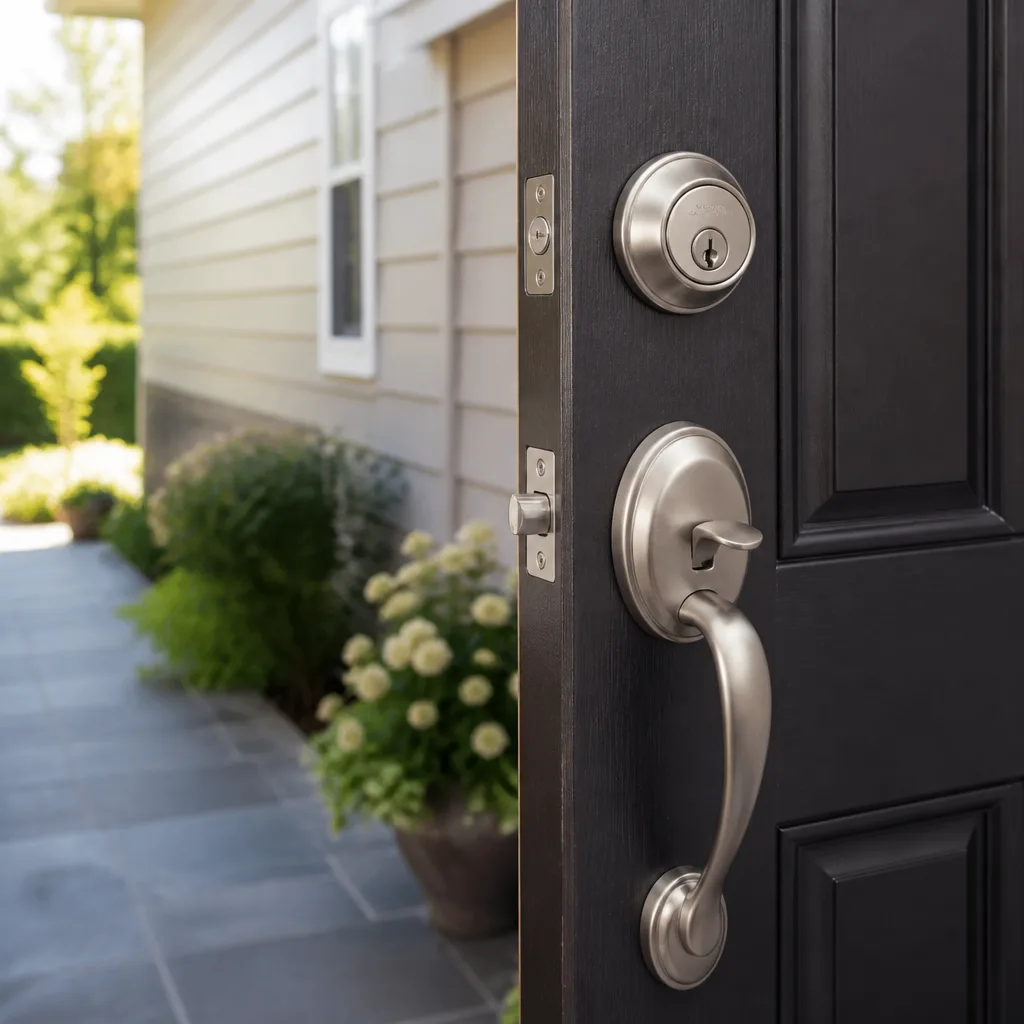 Deadbolt upgrades
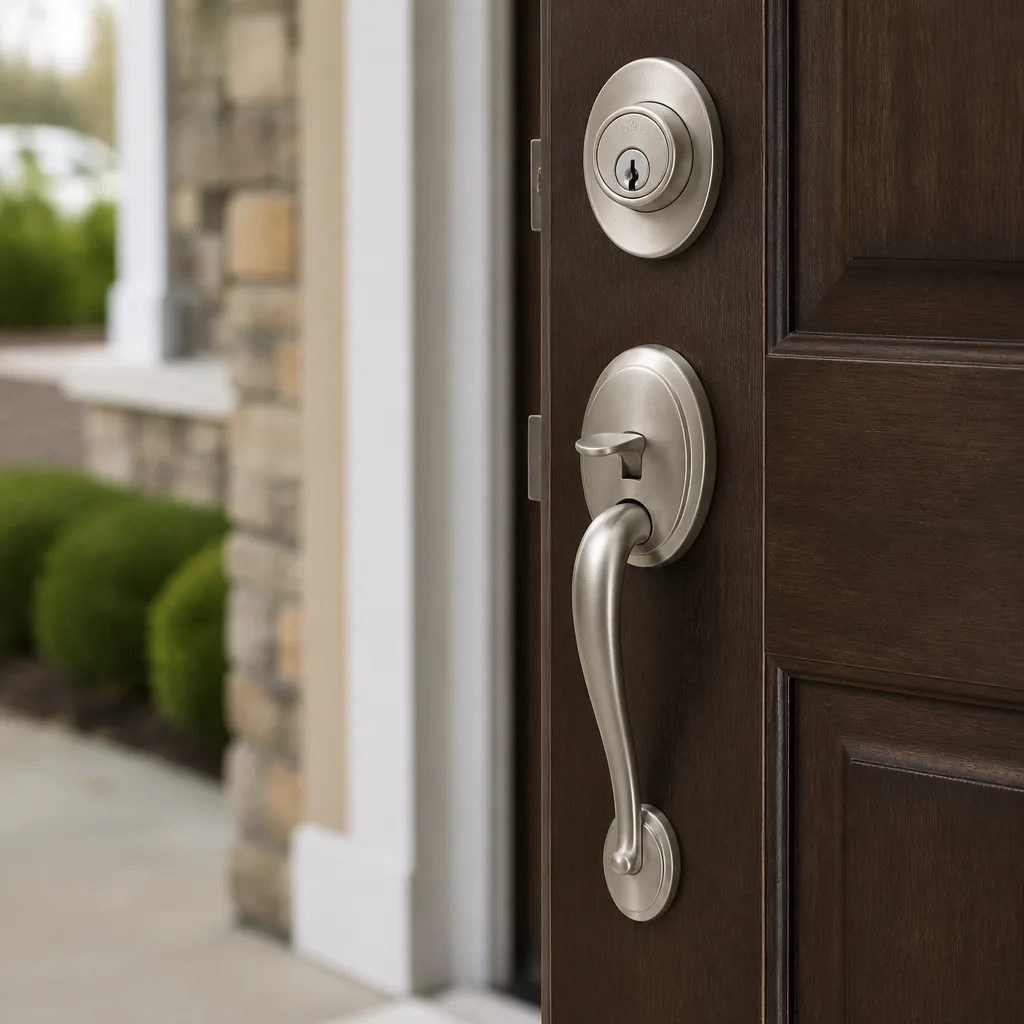 Schlage
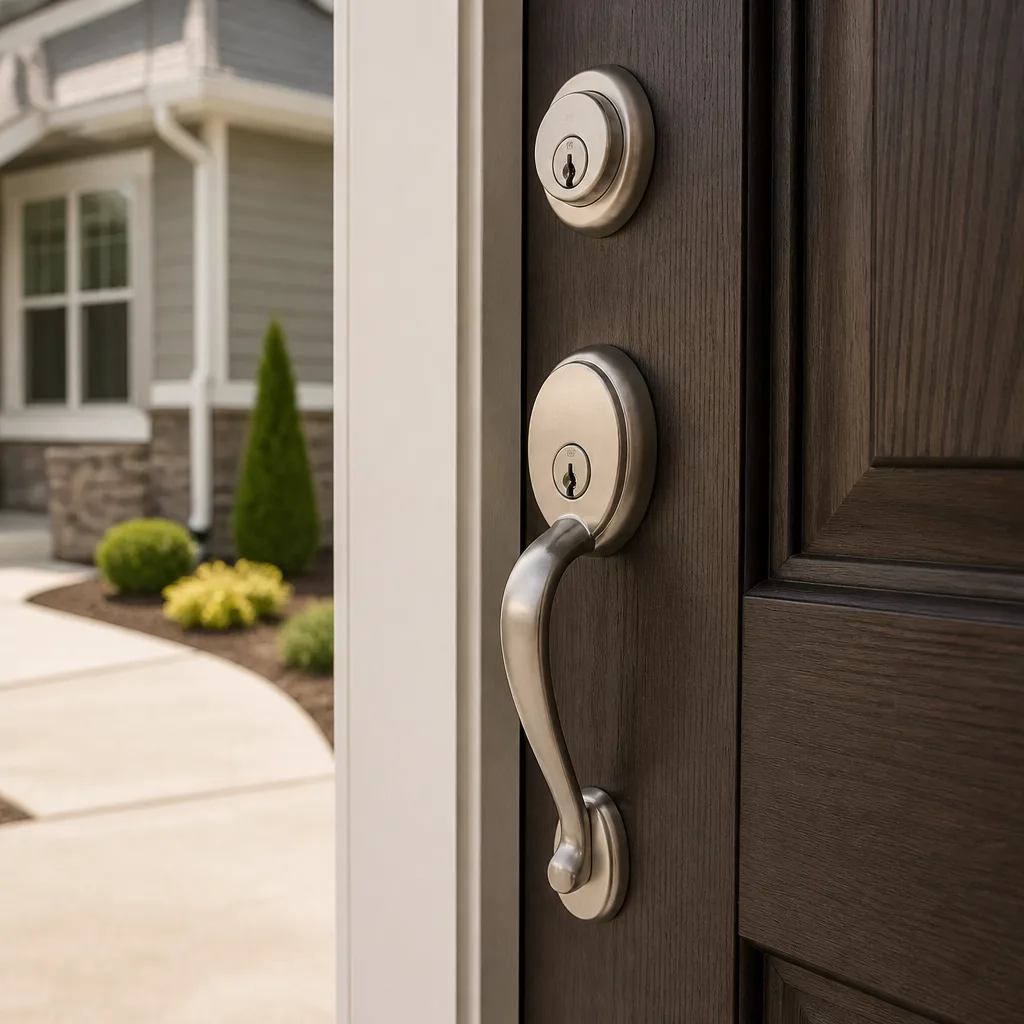 Kwikset
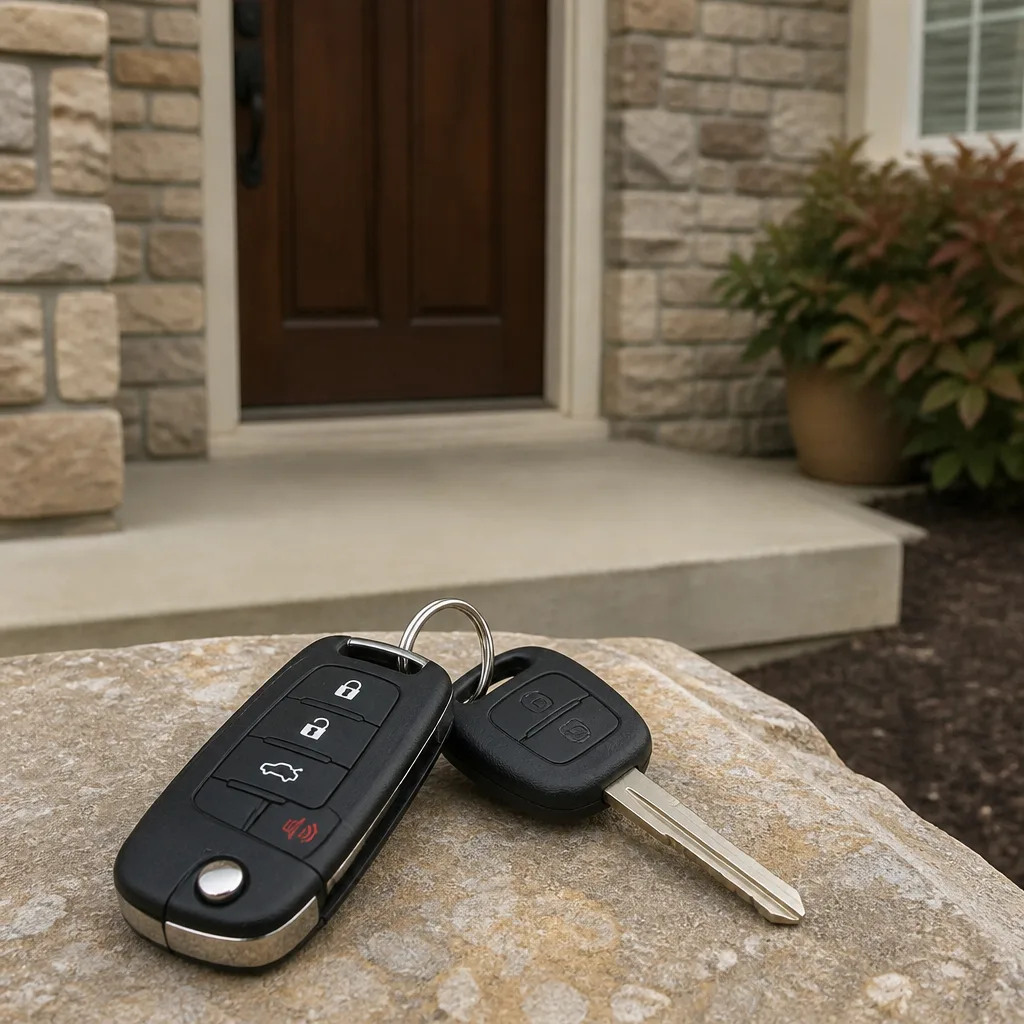 Car keys & fobs
Non-destructive entry first, always - and we re-key Schlage, Kwikset, and Baldwin locks on the spot while you watch
You get a price before we start. It does not change when we arrive. No surprises.
Get your free estimateLocksmith Emergency Preparedness Guide for St. Johns Homes
During a hurricane evacuation, St. Johns residents have roughly 12 to 24 hours to secure their homes, yet most could not tell you whether their smart locks have battery backup, whether their deadbolts meet Florida Building Code wind-load recommendations, or whether the person holding their spare key is actually reachable by phone. That is not a criticism. It is the reality of how most households operate: locks get thought about when they stop working, not before. This guide changes that. You will learn how to document every entry point, build a spare key protocol that survives a real emergency, prepare locks for hurricane season, vet a locksmith before you need one, and reset security after a break-in, lost key, or contractor job. All from the perspective of a locksmith that has worked on locks throughout St. Johns, from Kwikset cylinders to Medeco high-security systems.
Quick Answer
Emergency locksmith preparedness means documenting your home’s lock hardware, key counts, and access codes before an emergency, so that when you are locked out at midnight or evacuating ahead of a storm, you are not making decisions under stress with incomplete information. In St. Johns, the most practical steps are a pre-emergency locksmith audit, a coded spare key protocol, hurricane-specific lock reinforcement, a saved and vetted locksmith contact, and a post-emergency security reset sequence. Complete these five items once, revisit them annually, and every lock-related emergency becomes a manageable procedure instead of a crisis.
Styles & brands we work with
Table of Contents
- The Pre-Emergency Locksmith Audit: What to Document Before You Need Help
- Spare Key Protocol for St. Johns Homeowners: Why a Neighbor Beats a Lockbox
- Hurricane-Specific Lock Preparation: Deadbolts, Strike Plates, and Smart Lock Overrides
- How to Vet and Save a Locksmith Contact Before an Emergency
- Post-Emergency Security Reset: Four Scenarios, Four Different Sequences
- Common Mistakes to Avoid
- When to Call a Professional
- Frequently Asked Questions
The Pre-Emergency Locksmith Audit: What to Document Before You Need Help
Most homeowners cannot name the brand of deadbolt on their front door. We know this because one of the first questions we ask during a rekey or repair is what hardware is currently installed, and a surprising number of customers simply do not know. That knowledge gap becomes expensive and dangerous during an emergency.
A pre-emergency locksmith audit is a simple documentation exercise. Walk through your home and record the following for every exterior entry point, including the front door, back door, garage entry door, and any side or patio doors. Store this document in your phone, in a cloud drive, and as a printed copy in a fire-safe location.
What to Record for Each Entry Point
- Door location and label. Give each door a name: front entry, garage interior door, back patio, side gate. Emergency communication gets faster when you can say “the back patio door” instead of “the one near the kitchen.”
- Hardware brand and model. Look at the deadbolt or handleset. The brand name is stamped on the face or the edge of the latch. Kwikset, Schlage, Yale, Baldwin, Medeco, Mul-T-Lock, Abloy, and Sargent are the brands we service. Recording the brand tells any locksmith you call what tools and cylinders to bring. A Medeco high-security lock requires different tooling than a standard Kwikset deadbolt.
- Cylinder type. Is it a standard pin-tumbler cylinder, a high-security cylinder with a restricted keyway, or a smart lock with an electronic cylinder? High-security cylinders such as Medeco and Mul-T-Lock use angled cuts and sidebar mechanisms that most generalist locksmiths cannot service. Knowing this ahead of time means you call someone who can.
- Key count. How many working keys exist for this lock, and who holds them. This becomes critical during a lost key event or a security concern.
- Smart lock details. If the lock is electronic, record the brand, whether it has a physical key override, and the battery type and replacement interval. Write down the last time batteries were changed.
- Photo documentation. Take a clear photo of the exterior face of each lock, the strike plate side, and the key itself if it has restricted markings. These photos are invaluable when communicating with a locksmith or a hardware supplier.
This audit takes under an hour. In St. Johns, where humidity and salt air accelerate hardware corrosion on coastal properties, an annual audit—part of Seasonal Locksmith Care for St. Johns: Year-Round Homeowner’s Guide—also gives you a chance to check for rust, pitting, or sluggish cylinder rotation before a failure strands you outside.
Spare Key Protocol for St. Johns Homeowners: Why a Neighbor Beats a Lockbox
The most common spare key strategy in suburban St. Johns is either a fake rock, a lockbox, or a key under the mat. All three have predictable failure modes. Fake rocks get found, under-mat keys are the first place anyone looks, and lockboxes fail when batteries die, combinations get forgotten, or the shackle corrodes shut after a season of Florida humidity.
A coded spare key protocol with a trusted neighbor is more reliable for most scenarios. Here is why: a neighbor can verify identity before releasing a key, can respond when you are out of town, and can physically check that your door is secure. A lockbox does none of those things. It just sits there, and anyone who gets the combination, whether by guessing it or watching you enter it, has access.
Setting Up a Coded Emergency Access Plan
- Select two key holders. Choose two neighbors or nearby family members who live within five minutes of your home. Two holders means redundancy if one is out of town or unreachable during an evacuation.
- Use a sealed envelope system. Place the key in a tamper-evident envelope. Any break-in to the envelope is immediately visible. Write a unique code on the outside, such as “STJ-HOME-A-2026.” Do not write your address on the outside.
- Document the code, not the location. Keep a record in your phone that says which person holds which code. During an emergency, you call or text the holder and give them the code. They confirm the envelope seal is intact before handing over the key.
- Rotate the key annually. Have the holder return the envelope once a year. Inspect the seal, check the key for wear, and rotate it to a different holder if the original neighbor moved or passed away.
- Reconcile after any security event. If you lose a key, suspect unauthorized access, or go through a break-in attempt, rekey the locks and issue new spare keys with new codes. Do not reuse the old envelope system.
For St. Johns residents who split time between homes or travel seasonally, a neighbor-held spare key is also the difference between a quick entry by a trusted person and a forced entry by a stranger when something goes wrong at the house while you are away.
Hurricane-Specific Lock Preparation: Deadbolts, Strike Plates, and Smart Lock Overrides
St. Johns is in a hurricane-prone zone, and the Florida Building Code has specific requirements for wind-load resistance on exterior doors. Your locks are part of that resistance system. A door that holds against wind pressure only works if the deadbolt throws fully into a strike plate that is anchored into the door frame with screws long enough to reach the structural jamb.
Many homes, particularly those built before the current code cycle, have strike plates anchored with screws that are barely an inch long. Those screws catch the door jamb trim, not the framing behind it. Under wind pressure, the door flexes, the short screws pull out, and the door opens even if the deadbolt is locked. This is a failure we have corrected in homes throughout St. Johns, and it is the single most underrated hurricane-prep task for exterior doors.
Hurricane Lock Preparation Checklist
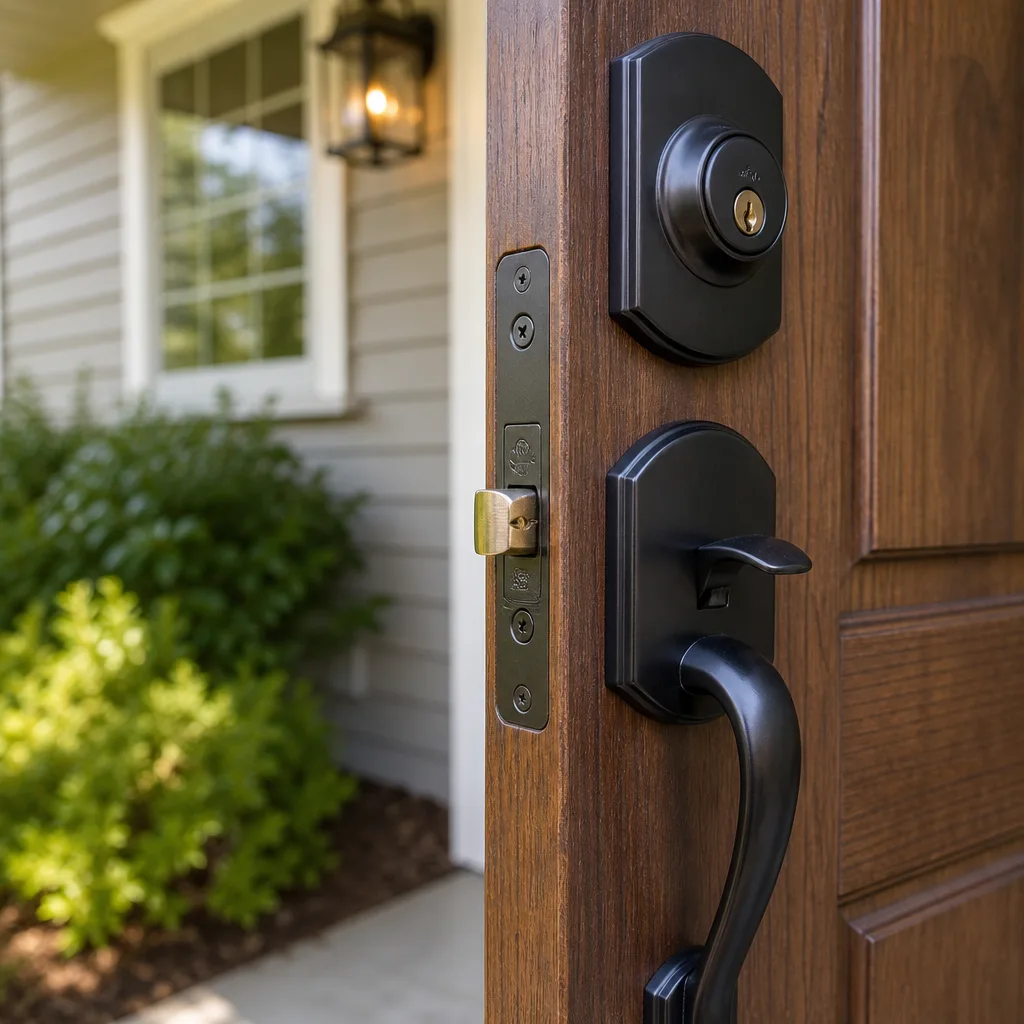
- Verify deadbolt throw length. A proper deadbolt should extend at least one inch into the strike plate when fully locked. Anything shorter means the door can flex open under pressure. Check this by locking the door and measuring the bolt from the edge of the door.
- Reinforce strike plates. Replace the short screws in every strike plate with 3-inch construction screws that reach into the wall framing. Do this for every exterior door, including the garage entry door.
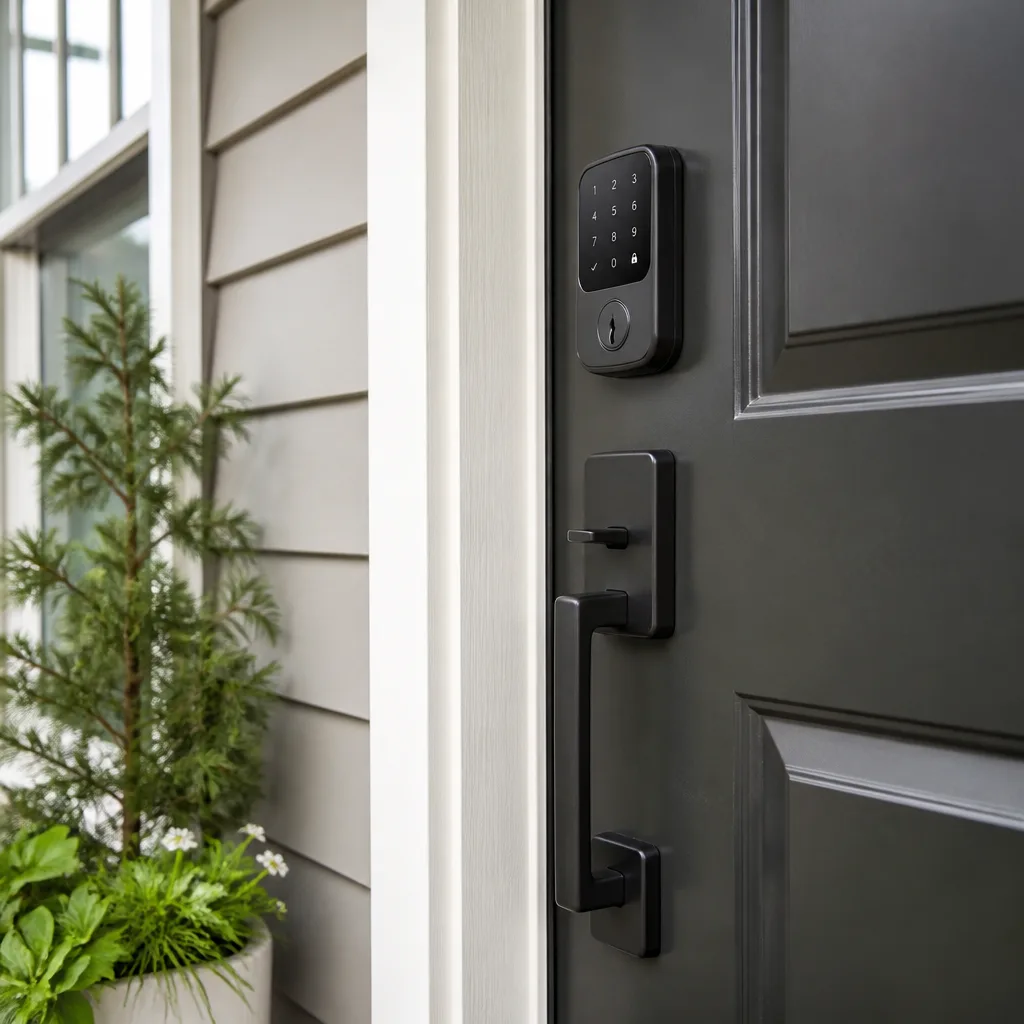
- Check smart lock battery status. If your home has a smart lock, replace the batteries at the start of hurricane season, which for St. Johns means early June. A dead battery during an evacuation means you are locked out of your own house with a storm approaching.
- Confirm manual key override. Every smart lock should have a physical key cylinder. Test it. Many smart locks go unused for months because the app or keypad works, and the cylinder seizes from disuse. A small amount of graphite or a professional cylinder service solves this before it becomes an evacuation problem.
- Document your evacuation locking sequence. Write down the exact order you lock doors when evacuating: deadbolt first, then handleset, then smart lock activation, then a final exterior check. Under evacuation stress, steps get skipped. A written sequence eliminates the second-guessing.
If you discover a deadbolt that does not fully throw, a strike plate that pulls loose, or a smart lock with a seized cylinder, do not force it. Forced hardware during hurricane prep can break a key or leave you with a door that will not lock at all. This is the time to call a locksmith who can service what is already installed, or replace it with hardware that meets the Locksmith Permits, Codes & Inspections in FL: What You Need to Know for your zone.
How to Vet and Save a Locksmith Contact Before an Emergency
The worst time to evaluate a locksmith is at midnight during a lockout, standing in your driveway holding a dead phone, as our Locksmith Warning Signs: A St. Johns Homeowner’s Reference Guide explains. The pressure to say yes to the first number that answers is enormous, and unscrupulous operators count on that. The solution is to vet and save a locksmith contact during business hours, when you can ask questions calmly and compare answers.
This is not about picking the cheapest option. It is about confirming that the locksmith you save can actually handle the hardware you own. A locksmith who only works on Kwikset and Schlage hardware cannot help you if your home has a Medeco or Mul-T-Lock high-security cylinder. You want a locksmith whose brand coverage matches your home.
What to Confirm During a Non-Emergency Call
- Brand coverage. Ask directly: “Do you service Medeco, Mul-T-Lock, Abloy, and Sargent cylinders, or just standard residential brands?” The answer tells you whether this locksmith can handle the full range of your home’s hardware, present and future.
- Service scope. Confirm whether the locksmith handles both residential rekeying and automotive key replacement. Having a single provider for home lockouts, rekeys, and car key replacement in St. Johns eliminates the need to manage multiple contacts.
- Documentation approach. Ask how the locksmith documents work. A professional will record what was done, what hardware was installed, and what keys were issued. This matters for warranty purposes and for your own audit trail.
- Response process. Ask what happens when you call with an emergency. Who answers, what information they collect, and whether the price quoted on the phone is the price on the invoice. A legitimate locksmith will give you a clear answer. A vague answer is a red flag.
- Save multiple numbers. Store the main number, plus a backup contact method. In St. Johns, storms can disrupt cell service, so having the number in a written format in your emergency binder is as important as having it in your phone.
Once you have completed this vetting, save the locksmith as a contact with the name format “LOCKSMITH – St. Johns – Emergency” so it appears at the top of your contact list when you need it. Note in the contact record which lock brands are covered and whether the locksmith services your car. This small step removes the midnight Google search entirely.
Kingsley Locksmith works across the full brand spectrum, from Kwikset and Baldwin to Medeco and Abloy, which is precisely the range most St. Johns homes need as they upgrade security over time. You can reach us at Kingsley Locksmith home or by phone to complete a vetting call before you ever need emergency service.
Post-Emergency Security Reset: Four Scenarios, Four Different Sequences
An emergency does not end when the door opens. The security posture of your home is permanently altered by certain events, and the reset sequence differs depending on what happened. Treating a lost key the same as a break-in attempt is a mistake that leaves your home vulnerable. Here are four scenarios and the appropriate reset protocol for each.
Scenario 1: Lost or Stolen Key
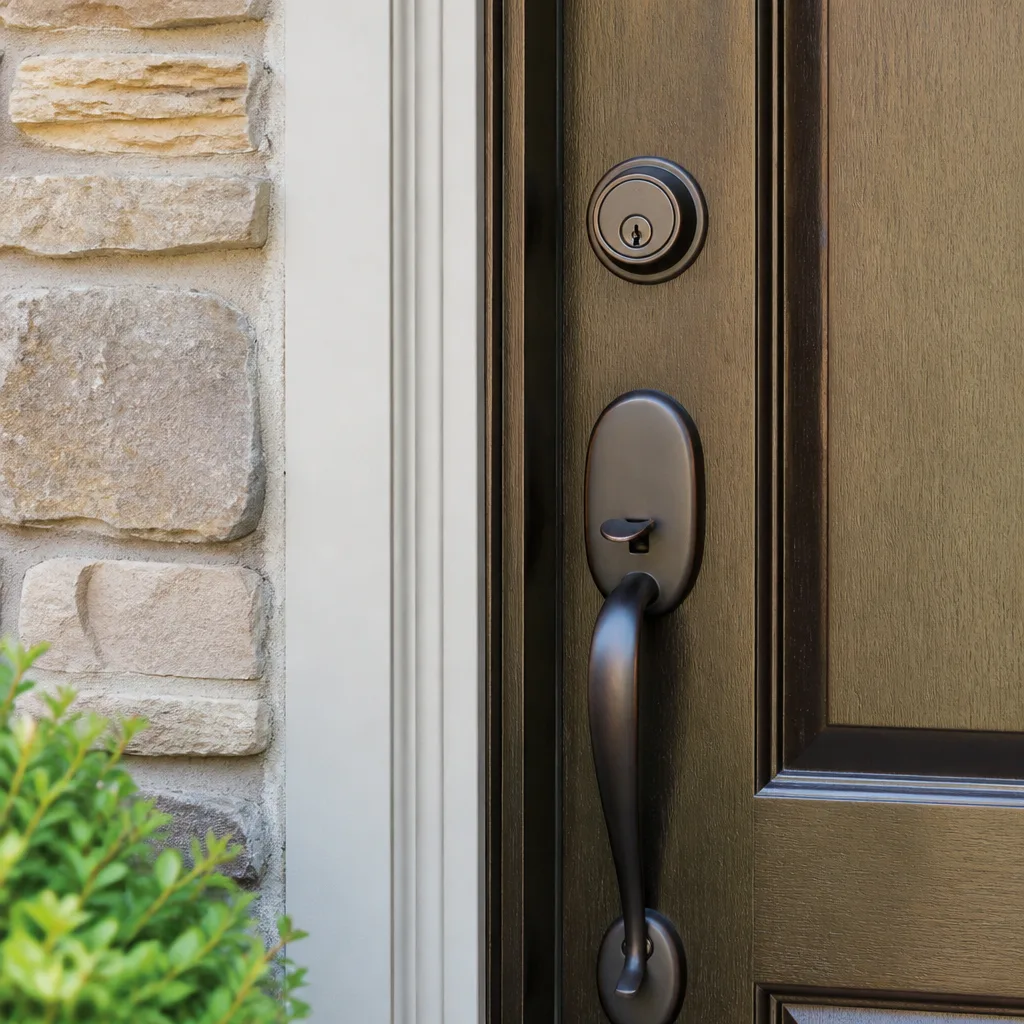
If a key is lost, the only complete fix is a rekey. Replacing the lock is unnecessary in most cases because the cylinder is what the key interacts with. A proper rekey replaces the internal pins so the old key no longer works, and issues a new set of keys. This is the “rekeyed, not replaced” principle. If the lost key was attached to anything identifying your address, complete the rekey within 24 hours. Rekey locks in St. Johns is a service we perform across all major brands, including high-security cylinders that require specialized pinning.
Scenario 2: Break-In Attempt
A forced entry attempt damages the lock, the strike plate, or the door jamb. Before any repair, document everything with photos for insurance. Then assess the damage: if the deadbolt is bent, the cylinder is drilled, or the strike plate is ripped from the jamb, replacement is required. A rekey alone does not fix structural damage. After repair or replacement, reassess the entire entry point: is the strike plate screw length adequate, does the deadbolt throw fully, and does the door frame itself need reinforcement? A break-in attempt is also a signal to upgrade. Many St. Johns homeowners we work with use this moment to move from a standard Kwikset or Schlage deadbolt to a high-security option from Medeco or Baldwin that resists drilling and picking far more effectively.
Scenario 3: Contractor or Housekeeper Access Ended
If a contractor, cleaner, pet sitter, or other service provider had a key or an access code and the relationship ended, rekey the locks and reset all smart lock codes. This is not about suspicion. It is about controlling the number of key copies and access credentials in circulation. Even if the person returns the key, you cannot know whether copies were made. Rekeying resets the entire key state. For smart locks, delete all user codes and reissue new ones for household members only. Do this the same day the access ends.
Scenario 4: Domestic or Trust Situation
When access needs to be revoked due to a domestic situation, divorce, or trust dispute, the priority is speed and completeness. Rekey every exterior door, including the garage entry door and any side gates. Reset all smart lock codes. Replace garage door opener codes. If the individual had access to security system codes, reset those as well. Then update your spare key protocol with new key holders and new codes. This is not a gradual process; it happens in one sweep. For high-security situations, consider cylinders with restricted keyways, such as Medeco or Mul-T-Lock, where key duplication is controlled and cannot be done without your authorization.
In every scenario, do not wait. The window between the event and the security reset is when your home is most exposed. A rekey, even an emergency rekey, is a same-day service for most locksmith operations. Emergency locksmith in St. Johns is exactly what this scenario calls for.
Common Mistakes to Avoid
- Hiding a spare key under the doormat or in a fake rock. These are the first two places anyone checks, and every person who has ever broken into a St. Johns home knows it. Use a tamper-evident envelope system with a neighbor instead.
- Assuming a smart lock does not need a physical key. Smart locks run on batteries, and batteries die. If you do not have a working physical override key and the battery goes dead during an evacuation, you are locked out of your own house at the worst possible time.
- Replacing a lock when a rekey would work. When keys are lost or access needs to change, the correct fix is a rekey, not a new lock. Rekeying is faster, preserves your existing hardware, and is significantly less expensive. Replacing a perfectly functional deadbolt because of a lost key is wasted money.
- Documenting nothing. If you cannot name the brand of deadbolt on your front door, you cannot tell an emergency locksmith what tools to bring. A high-security Medeco cylinder requires different tooling than a standard Kwikset. The pre-emergency audit on day one saves you hours and dollars on the emergency day.
- Saving a locksmith number without vetting it. Saving the first Google result at 2 a.m. during a lockout is how people end up with an unqualified technician drilling out a cylinder that should have been picked, then charging for the damage. Vet and save a contact before the emergency.
- Forgetting the garage entry door. The door between your garage and home interior is an exterior door from a security standpoint, and it is the one most often left rekeyed or unsecured after a security event. Include it in every audit, rekey, and reset.
- Skipping the annual strike plate check. Strike plates with short screws are the most common hurricane-prep failure we correct in St. Johns. A deadbolt that throws fully but is anchored into trim is not doing its job under wind load.
When to Call a Professional
Some lock work is genuinely dangerous to attempt yourself. High-tension torsion springs in older mortise locks, drilling a cylinder that is seized, or forcing a smart lock open when the electronic mechanism fails can all cause injury or significant hardware damage. Do not attempt to pick, drill, or force a lock you depend on. If the lock is damaged, the key is broken inside the cylinder, the door will not latch, or the hardware is high-security and requires specialized tooling, call a professional who is equipped for the specific brand. Kingsley Locksmith offers free estimates in St. Johns for lock repairs, rekeys, and hardware assessments. Call (855) 360-5957 to schedule a pre-emergency audit or to address existing lock issues before they become emergencies.
Frequently Asked Questions
Emergency locksmith pricing in St. Johns varies based on the time of call, the hardware involved, and whether the job is a simple lockout or a rekey with new key cutting. You should expect a transparent phone quote that states the full price before anyone is dispatched, with no surprise call-out surcharge added on arrival. For an exact quote on your specific situation, call (855) 360-5957 and describe your lock brand, entry point, and whether keys are present. Honest locksmiths quote the full price up front, and the price on the invoice matches the phone quote.
Yes, most smart lock issues, including dead batteries, seized mechanical override cylinders, and keypad failures, can be serviced the same day. If the smart lock requires replacement, a qualified locksmith can swap the hardware and rekey the new lock to match your existing keys, if the cylinder is compatible. For smart locks from Kwikset, Yale, Baldwin, and other major brands, a same-day appointment is realistic in St. Johns. Call (855) 360-5957 to confirm same-day availability.
Rekey the locks. Replacing the entire lock is unnecessary when the only issue is that an unknown person may possess a key. A rekey replaces the internal pins so the old key no longer operates the cylinder, and it costs a fraction of new hardware. If the lost key was attached to identifying information with your address, complete the rekey within 24 hours. For high-security cylinders like Medeco or Mul-T-Lock, rekeying requires specialized equipment, so confirm your locksmith services the specific brand before scheduling.
For homeowners who want resistance to drilling, picking, and unauthorized key duplication, high-security locks from Medeco, Mul-T-Lock, or Abloy are worth the investment. These cylinders use restricted keyways and patented key control, which means keys cannot be duplicated without your authorization. They are more expensive than standard residential hardware, but they also last longer and resist the attack methods most common in opportunistic break-ins. The right choice depends on your specific security goals and hardware compatibility, which a professional assessment can determine. Call (855) 360-5957 for a free consultation on whether high-security hardware fits your home.
Ask directly during a non-emergency call: “Do you service Medeco, Mul-T-Lock, and Abloy cylinders, or just standard residential brands?” A qualified locksmith will answer yes without hesitation and can describe the specific tooling and certification involved. High-security cylinder work is not something every locksmith offers, and you do not want to discover that at midnight during a lockout. Car key replacement in St. Johns follows the same principle: confirm the locksmith can handle your specific key type before you need the service.
Call (855) 360-5957. A professional locksmith can open most residential door locks without damage, including standard deadbolts, smart locks with mechanical overrides, and high-security cylinders. While you wait, check every entry point, including the garage and any side doors, to confirm you are actually locked out of everything. If you have a neighbor holding a spare key envelope, call them. If no key is accessible, do not force the door. Forcing a deadbolt damages the frame and turns a simple lockout into a repair job.
The Bottom Line
Locksmith emergency preparedness in St. Johns is not about memorizing a phone number. It is about building a documented system before the emergency arrives. Document your hardware. Set up a neighbor-held spare key protocol with a coded envelope. Prepare your deadbolts and strike plates for hurricane wind loads. Vet a locksmith during business hours and save a contact that covers your full hardware range. Reset security completely after lost keys, break-in attempts, contractor access endings, and trust situations. Do those five things, revisit the audit annually, and every lock emergency becomes a procedure you follow rather than a crisis you survive. If you need help building that system, rekey locks in St. Johns and a complete pre-emergency audit are services we provide at Kingsley Locksmith. Call (855) 360-5957 to schedule.
Written by the team at Kingsley Locksmith, serving St. Johns since 2016.