
Last updated October 30, 2026
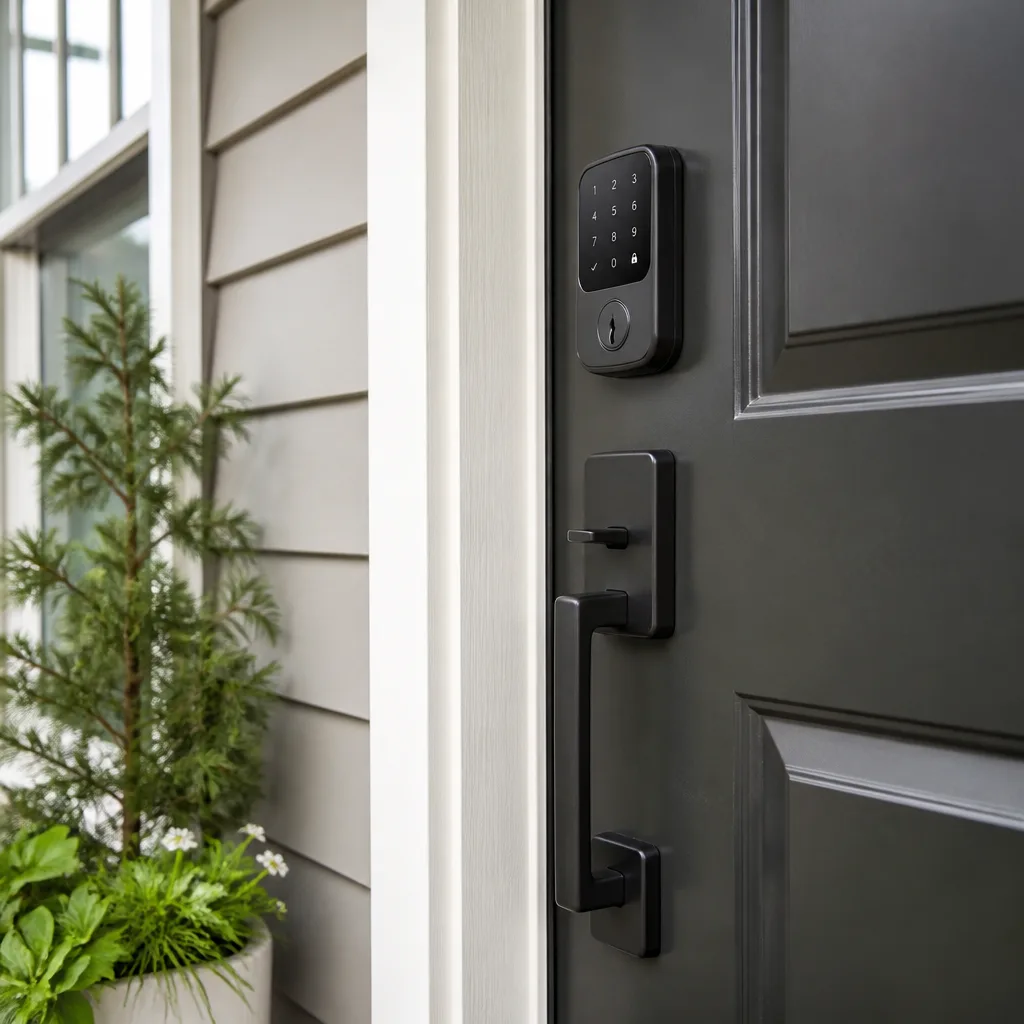 Smart locks
 House lockouts
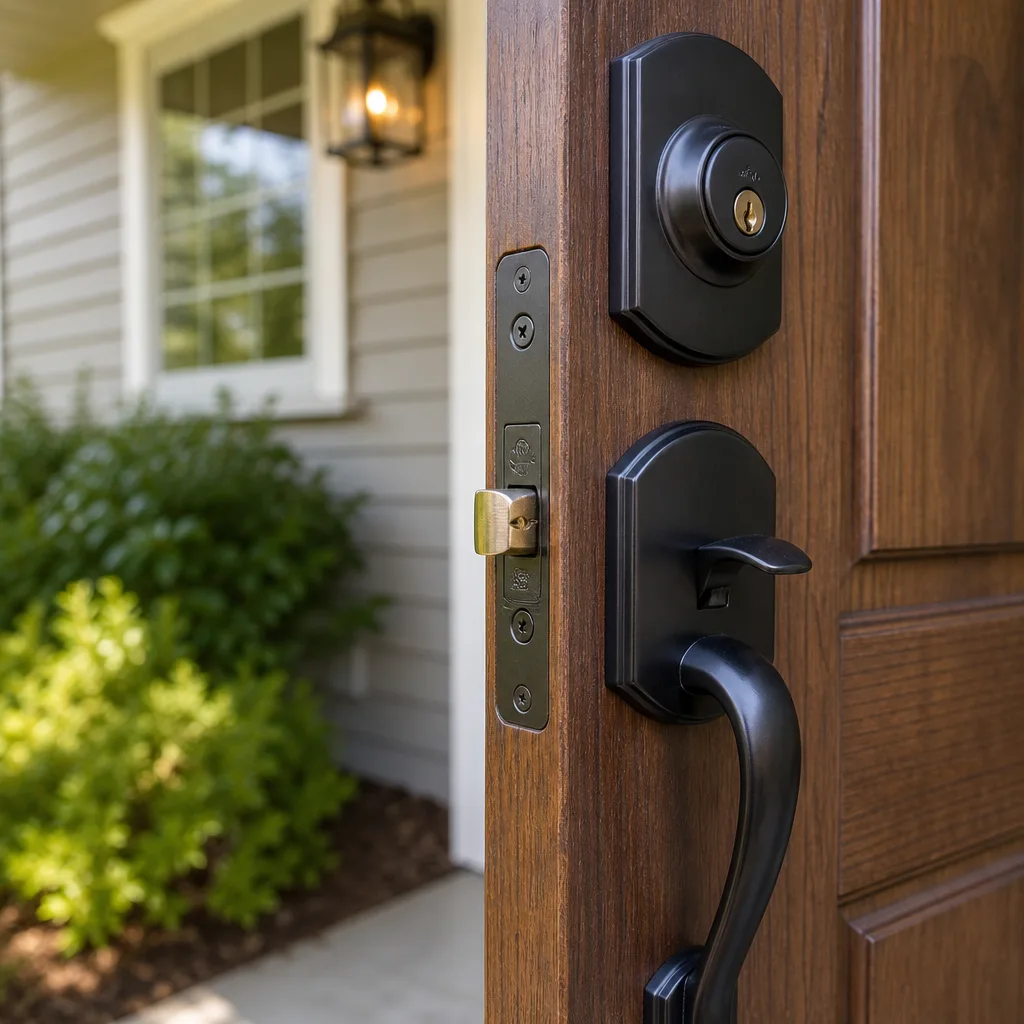 Re-keying
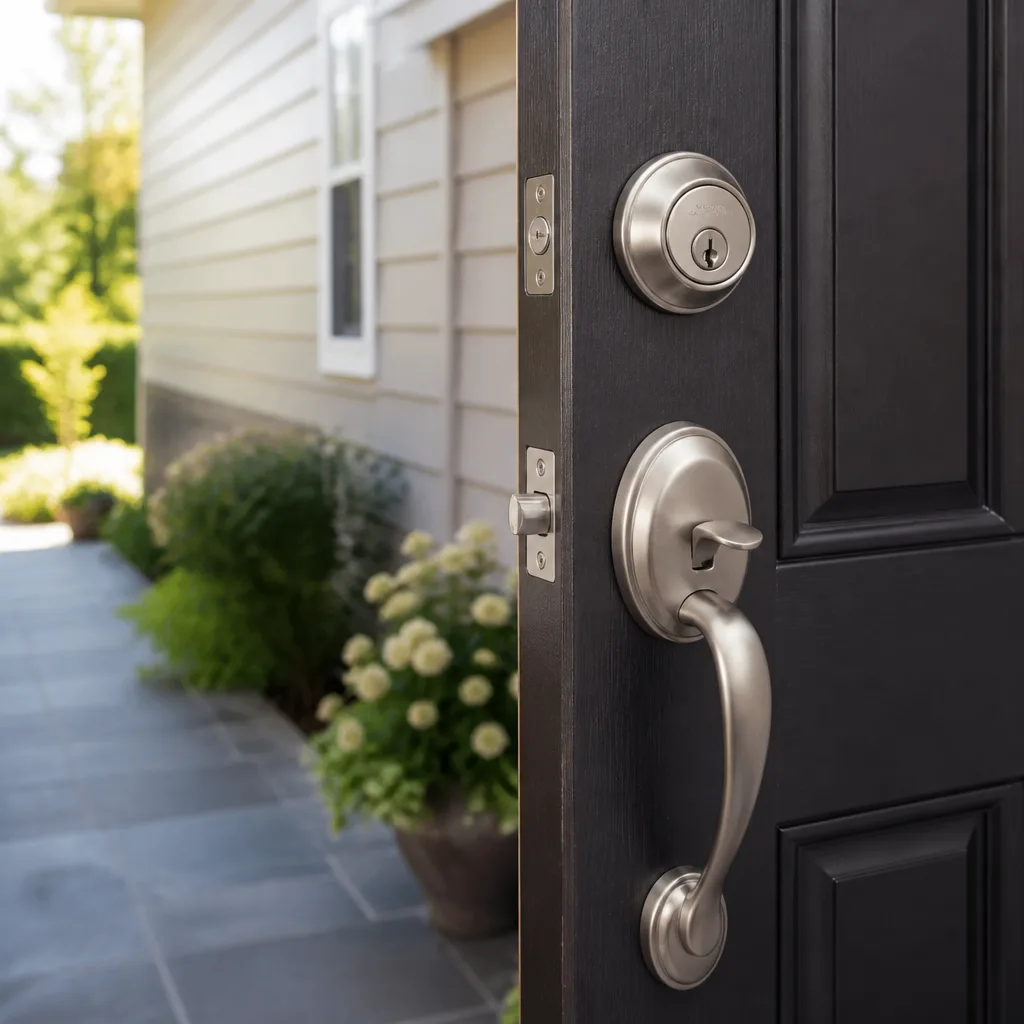 Deadbolt upgrades
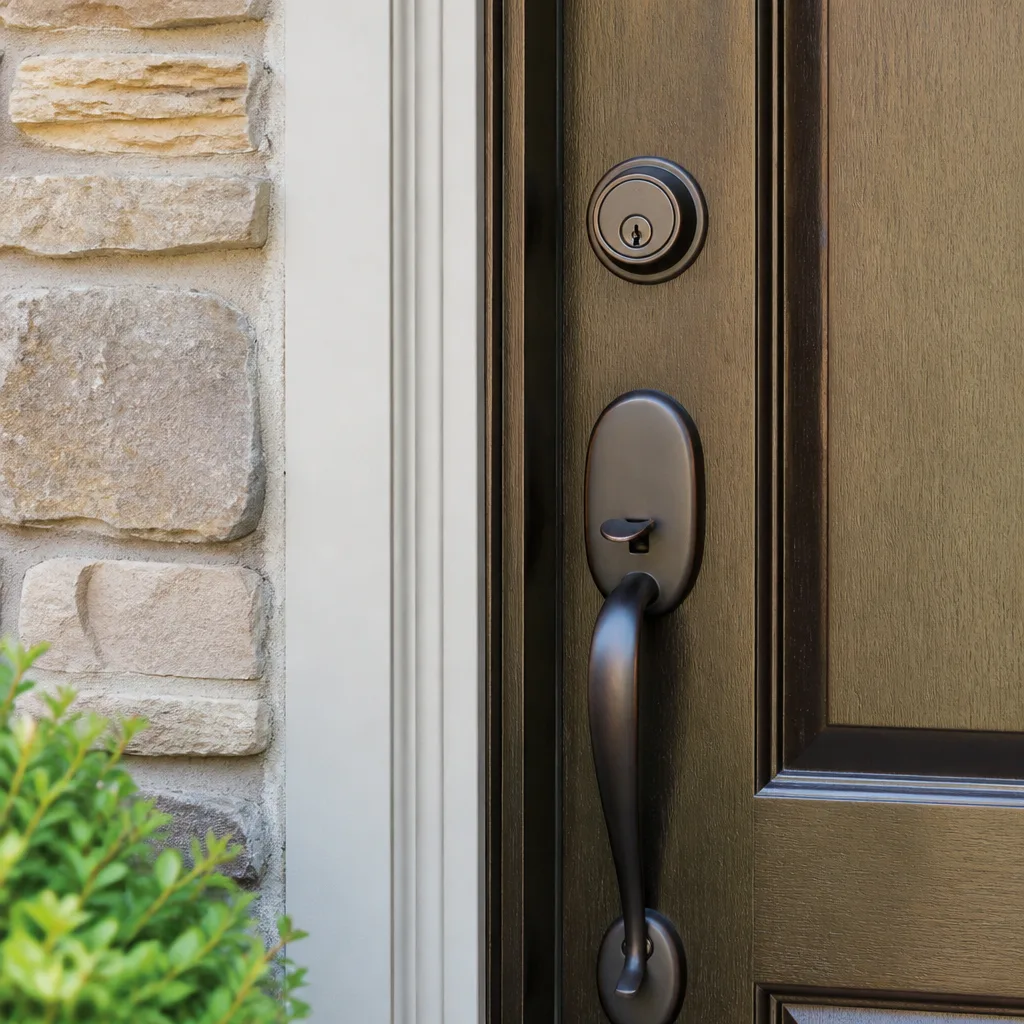
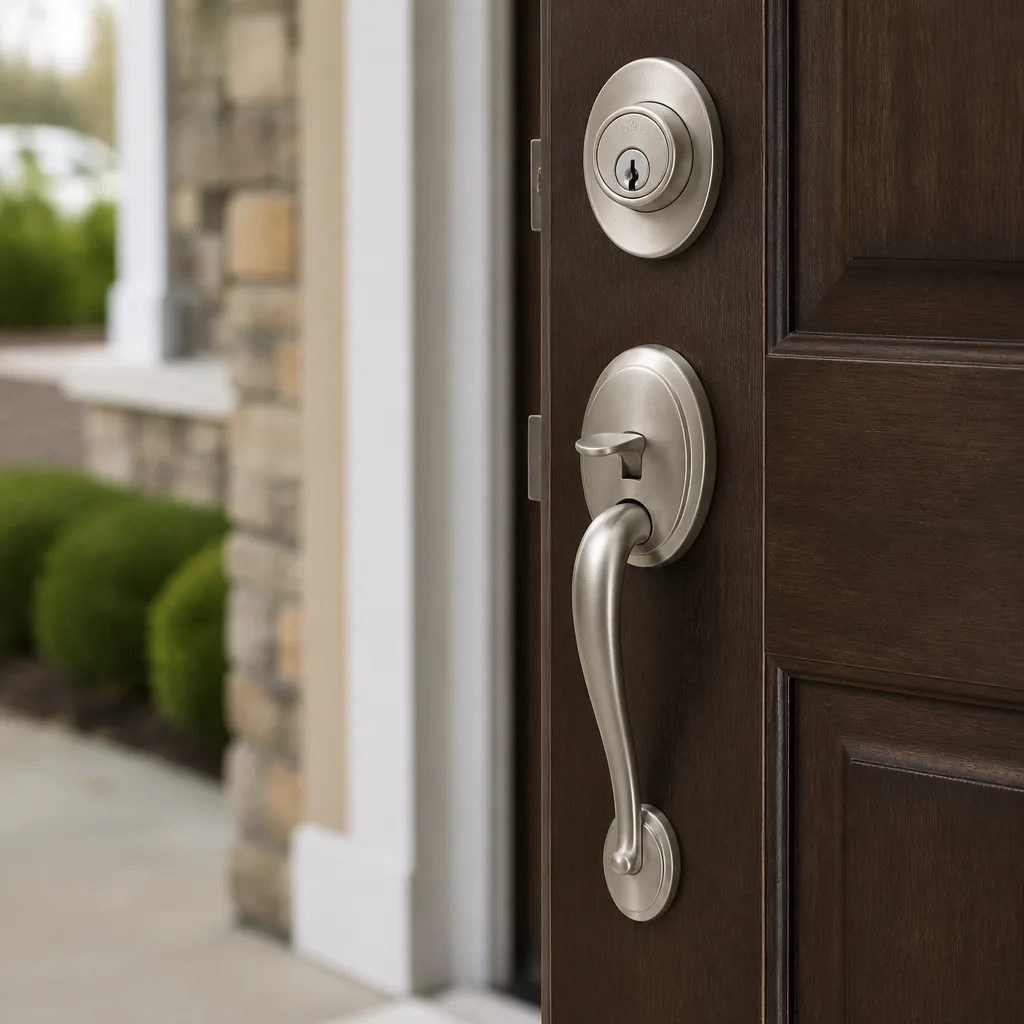 Schlage
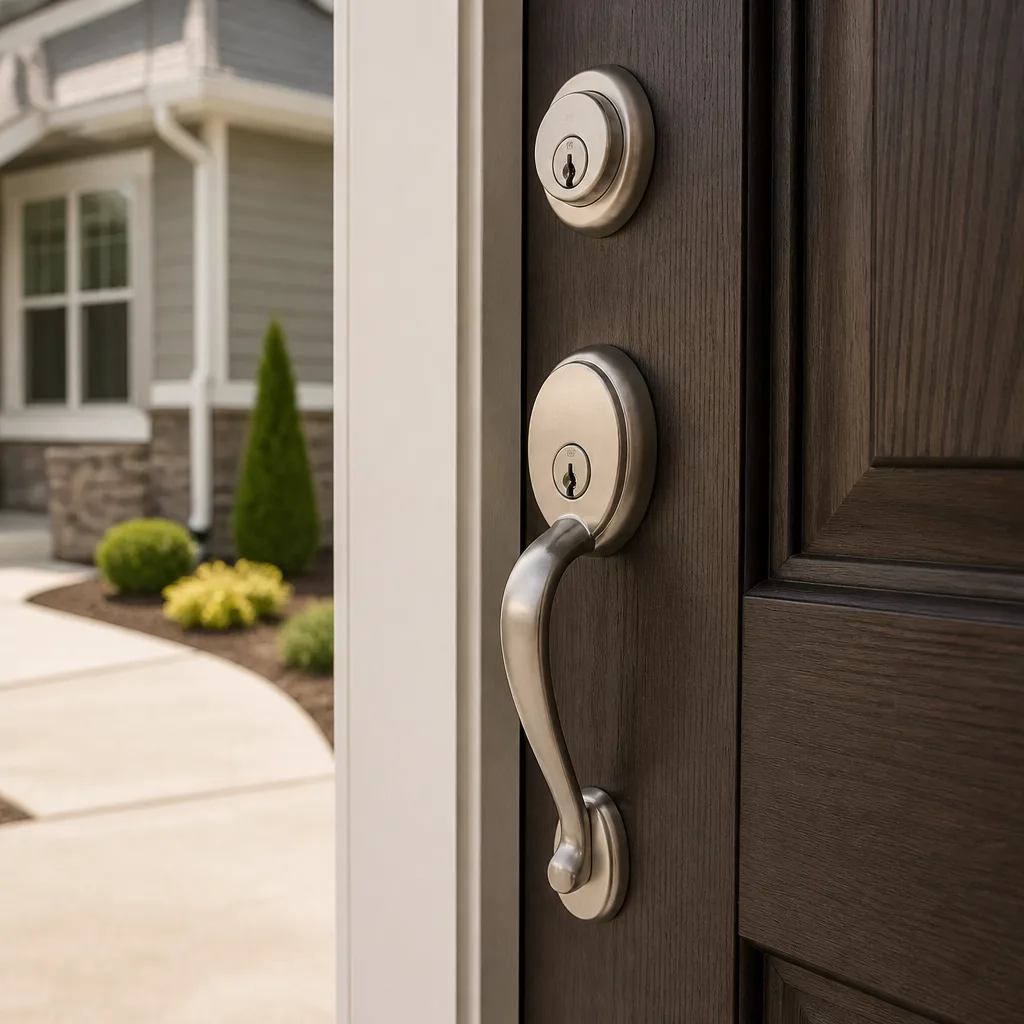 Kwikset
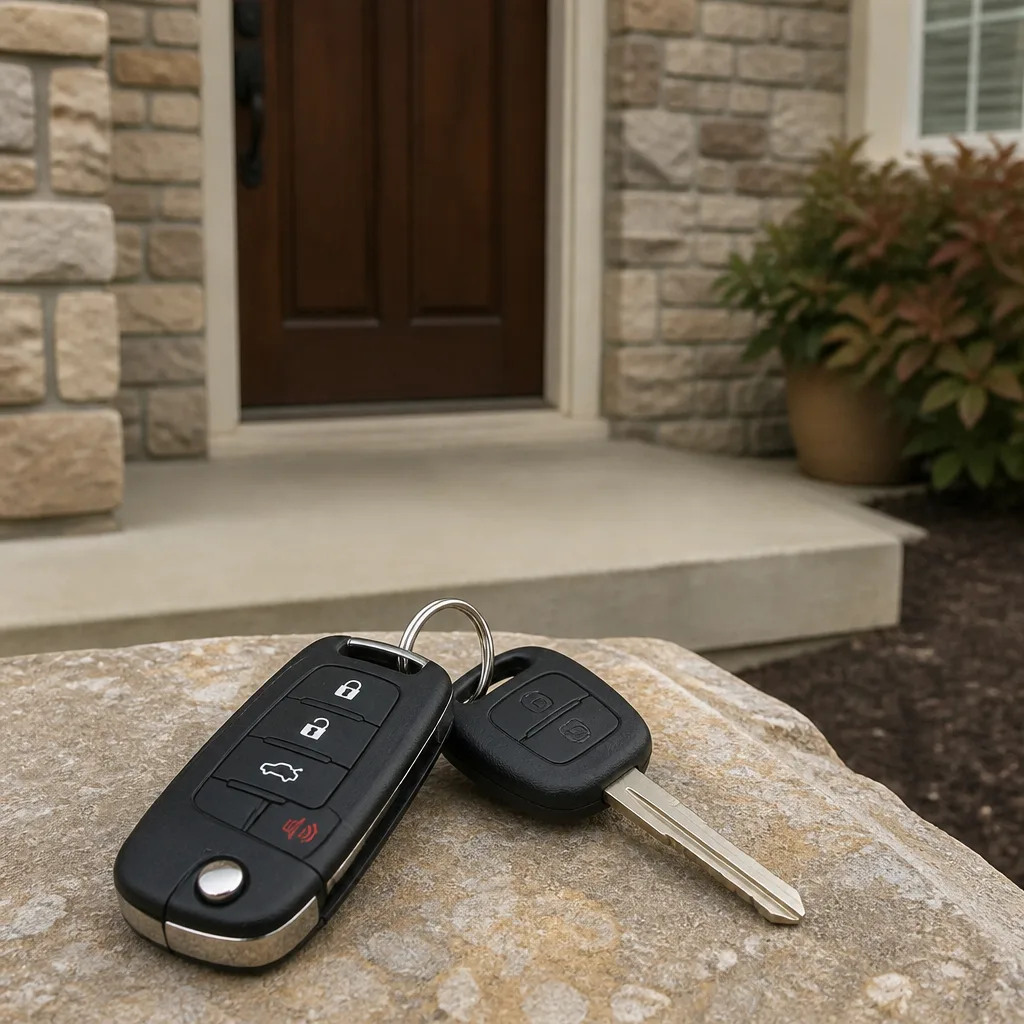 Car keys & fobs
Non-destructive entry first, always - and we re-key Schlage, Kwikset, and Baldwin locks on the spot while you watch
You get a price before we start. It does not change when we arrive. No surprises.
Get your free estimateDIY vs Professional Locksmith: The St. Johns Homeowner’s Decision Guide
Most homeowners don’t realize that the line between a DIY lock job and a professional one isn’t drawn by skill, confidence, or even budget. It’s drawn by failure modes: what happens when the lock doesn’t cooperate? A Kwikset smart key rekey with a $20 kit genuinely is a beginner-level task. But attempting the same project on a Schlage Everest or any sidebar-cylinder lock without a plug follower will permanently damage the cylinder plug, turning a $15 rekey into a $90 replacement. This guide maps the exact boundary between what a St. Johns homeowner can safely handle and what deserves a trained hand, and our How to Hire a Locksmith Contractor in St. Johns: A Step-by-Step Guide can help you find the right professional when you need one, so you never discover the hard way which side of the line you’re on.
Styles & brands we work with
Quick Answer
In St. Johns, Florida, basic tasks like installing a new deadbolt on a prepped door, changing batteries in a smart lock, or aligning a sticking door are genuinely DIY-friendly and take under an hour. But lock rekeying, car key programming, and anything involving high-security cylinders (Medeco, Mul-T-Lock, Abloy) or emergency lockouts requires professional tools and training, because the failure modes are expensive, irreversible, or both. The right question isn’t “can I do this?” but “what happens if I get it wrong?”
Table of Contents
- The Real Cost of a DIY Lock Job
- The Tool Gap: What a Professional Carries That You Don’t
- DIY-Friendly Tasks: Where Homeowners Can Save Money
- Professional-Only Tasks: The Failure Modes That Make DIY Dangerous
- Why Car Key Programming Is Not a DIY Task
- HOA and Rental Property Considerations in St. Johns
- Smart DIY Preparation: How to Cut Professional Labor Costs
- Common Mistakes to Avoid
- When to Call a Professional
- Frequently Asked Questions
- The Bottom Line
The Real Cost of a DIY Lock Job
Homeowners in St. Johns tend to price a DIY lock job by the parts receipt: $20 for a rekey kit, $35 for a new deadbolt, $12 for a tension wrench set. That misses the actual cost structure, which is driven by three things that don’t show up on any Home Depot receipt. The first is time. A project that takes a locksmith 10 minutes with the right tools can take a homeowner three hours without them, and in St. Johns where summer heat routinely pushes past 90 degrees, garage time is not free. The second is tool acquisition. Buying the correct plug follower for a Schlage cylinder, plus a pinning kit, plus a decoder, plus a tension wrench set, can easily pass $150 for tools you use once. The third, and largest, is repair after failure. A broken cylinder plug, a sheared shear pin, a bricked car key transponder: these are the hidden line items that turn a “saved” $40 into a $200 emergency call. For a detailed look at what these repairs actually cost, see our Locksmith Cost Breakdown: The St. Johns Homeowner’s Reference for 2026.
We’ve seen this math repeat across St. Johns for years. A homeowner buys a $50 Mul-T-Lock cylinder online, watches a video, and spends a Saturday afternoon fighting a sidebar mechanism that requires proprietary pinning tools. By Monday, they call us, and the job now includes extracting a half-installed cylinder with a jammed sidebar. The original $50 became $160 in parts and labor. The DIY route didn’t fail because the homeowner lacks intelligence. It failed because the lock’s failure mode was not recoverable with consumer tools.
But the reverse is also true. Replacing a Kwikset deadbolt on a door with a standard 2-1/8″ bore? Genuinely doable with a Phillips screwdriver and 20 minutes. Aligning a strike plate so the latch stops catching? A 10-minute fix with a file. The skill is knowing the difference before you start, not after the cylinder is in pieces.
The Tool Gap: What a Professional Carries That You Don’t
A professional locksmith’s van is not a bigger version of your toolbox. It’s a mobile workshop carrying tooling that is either too expensive, too specialized, or too time-consuming to learn for a single job. Here’s what creates the 10-minute vs. three-hour gap:
- Plug followers in multiple sizes. A plug follower is a cylindrical rod that holds the pin chambers in place while the plug is removed. Without one, the driver pins and springs shoot out of the cylinder, and even if you find them all, reassembly is a puzzle most people lose. High-security brands like Medeco and Mul-T-Lock use sidebar mechanisms and angled pins that require brand-specific followers, not generic ones.
- Pinning kits with hundreds of pin depths. A Kwikset rekey kit at the hardware store gives you a handful of pins in generic depths. A professional kit contains brand-specific pins in every depth increment, because a Schlage cylinder uses different pin length tolerances than a Yale cylinder, and using the wrong pin depth produces a cylinder that either binds or falls open with the wrong key.
- A decoder. When a homeowner wants to rekey a lock but has lost the working key, the cylinder must be decoded to determine its current pinning without damaging the plug. Professionals use decoders that read the keyway. Homeowners use YouTube and a pick, and the typical outcome is a scratched cylinder face and a trip to the hardware store for a whole new lock.
- Tension wrench sets in multiple thicknesses and profiles. Lock picking and cylinder servicing require precise torque control. A single flathead screwdriver is not a tension wrench. The wrong tool bends the springs, deforms the pin chambers, and eventually transforms a serviceable lock into scrap.
- Brand-specific programming interfaces. For smart locks and high-security cylinders from Medeco, Mul-T-Lock, and Abloy, professional locksmiths carry programmers and software that authenticate replacement keys and spares. These tools are not sold to the public and require dealer-level credentials to use.
The tool gap is not a judgment on your competence. It’s a structural difference.
DIY-Friendly Tasks: Where Homeowners Can Save Money
Some lock work rewards the careful homeowner, and in St. Johns where service calls for a 15-minute job can feel steep, knowing which tasks are truly DIY is money in your pocket. Here’s the honest shortlist:
1. Deadbolt installation on a prepped door
If your door already has a standard 2-1/8″ cross-bore and a 1″ edge bore, installing a new Kwikset or Schlage deadbolt is a screwdriver-level job. Remove the old hardware, slide in the new bolt, mount the exterior and interior halves, and test the throw. If you can measure a door thickness and turn a screw without stripping it, this is a 30-minute project. The caveat: if the door needs a new bore drilled, that’s a different job requiring a hole saw and a jig, and a misaligned bore ruins the door. That’s where a professional saves you $200 in replacement door cost.
2. Battery replacement in smart locks
If your lock uses a Kwikset Kevo, Schlage Encode, or any standard smart deadbolt, battery replacement is a homeowner task. Typically it’s four AA batteries behind an interior faceplate that pops off. The lock retains its programming during battery swaps in almost all models, so you won’t need to reprogram codes. Do this twice a year, and don’t wait for the low-battery warning to start blinking erratically; in St. Johns humidity, battery corrosion in the compartment is a common failure point.
3. Door alignment adjustments
When a deadbolt throw starts catching on the strike plate, the fix is usually a 10-minute alignment job: loosen two screws on the strike plate, nudge it up or down a millimeter, and re-tighten. If the gap is larger, file the plate slot slightly wider. This is free, fast, and fixes the most common “my lock is broken” call we see. The lock is rarely broken. The door has simply settled, which in St. Johns’ clay-heavy soil happens to every home eventually.
4. Lubricating a sticky cylinder
If your key inserts with resistance or the cylinder feels gritty, a few drops of dry Teflon lubricant (never WD-40, which attracts dust and gums the pins) into the keyway and along the bolt path often resolves it. This is a 5-minute monthly maintenance task that keeps pin chambers clean in Florida’s sandy, humid environment. It prevents the buildup that eventually requires disassembly.
These four tasks cover the majority of “small lock issues” in St. Johns. They’re recoverable. If you make a mistake on any of them, the fix is inexpensive and the failure is obvious. That’s the real boundary line: recoverability.
Professional-Only Tasks: The Failure Modes That Make DIY Dangerous
Now the other side. The tasks below have failure modes that are expensive, irreversible, or both, and that’s before we talk about the self-injury risks of torqueing a metal tool inside a sharp-edged keyway. For guidance on handling urgent situations safely, see our Locksmith Emergency Preparedness Guide for St. Johns Homes. Here’s what we recommend leaving to a trained hand:
Rekeying any high-security cylinder (Medeco, Mul-T-Lock, Abloy, Sargent, Schlage Everest)
High-security cylinders use sidebar mechanisms, angled cuts, and restrictive keyways that require brand-specific pinning kits, followers, and cutters. You cannot rekey a Medeco with a Kwikset kit. You cannot even disassemble one without the right follower. If you try, you will bend the sidebar or chip a pin, and the cylinder is dead. A $15 rekey becomes a replacement. We rekey Medeco, Mul-T-Lock, Abloy, Sargent, and the full Schlage and Baldwin lineups in St. Johns regularly, and a common job is repairing DIY damage that started as an honest attempt to save money.
Car key programming on any modern vehicle
Modern car keys carry transponder chips that must be programmed to the vehicle’s immobilizer through the OBD-II port or direct EEPROM write. Most 2010-and-newer vehicles require security authentication from the manufacturer to even access the programming module. An OBD-II dongle from Amazon works on some older or simpler platforms, but on many vehicles it bricks the immobilizer, leaving you with a car that won’t start and a dealer bill for resetting the ECU. Car key creation is a programming task, not a mechanical one. It is not DIY, and it’s not even DIY-adjacent.
Emergency lockout entry on a quality lock
When you’re locked out of your house in St. Johns, you want access fast. But using a screwdriver or a bobby pin on a Schlage or a Baldwin deadbolt usually damages the cylinder face, the keyway, or the finish. Then you’re not only locked out; you’re locked out with a damaged lock that now needs replacement. Bypass techniques that work are non-destructive and require training. The ones you improvise at 10 PM are not.
Installing a deadbolt on an un-bored door
Drilling a cross-bore and edge-bore through a solid core door freehand almost always goes wrong. The holes wander, the door face splinters, or the alignment is off enough that the bolt never seats properly. A door-boring jig costs $40-80, and even with the jig, a mistake means replacing a $200-400 door. This is a one-time job most homeowners won’t repeat; pay for it, and it’s done right the first time.
Any lock repair involving a disassembled cylinder with springs under tension
Inside a cylinder, pins sit under spring compression. Open the cylinder without a follower and springs launch across the room instantly. Lose one spring and the lock no longer works. Damage the pin chambers while fishing around with a pick and the cylinder is scrap. This is the single most common failure we repair in St. Johns: a homeowner opens a cylinder to “see how it works,” and now the lock doesn’t. It’s a 10-second mistake to make and a $90 mistake to fix.
Why Car Key Programming Is Not a DIY Task
The question we hear most often from St. Johns vehicle owners is whether those $40 OBD-II dongles and blank keys on Amazon actually work. The answer: sometimes, on the right vehicle, if you know exactly which generation and protocol you’re dealing with. That’s a lot of qualifiers. Here’s the technical reality behind why car key programming is professional territory:
- Transponder authentication is manufacturer-locked. Most vehicles built after 2010 use an immobilizer system where the key’s transponder chip must be cryptographically authenticated to the ECU before the engine will crank. This authentication requires either dealership-level credentials or a professional-grade programming tool with licensed software. Consumer dongles cannot complete the handshake on most modern marques.
- EEPROM write access requires specialized equipment. For vehicles where the key data must be written directly to the ECU’s EEPROM (common in many import models), you need a bench setup with a chip programmer, soldering or clip-to-chip rig, and the correct hex file. Get one byte wrong and the ECU is unresponsive. The vehicle does not start. A flatbed tow to the dealership is your next step.
- Some platforms accept generic dongles; others brick. Certain older Fords, Chevrolets, and Hondas will program a new key through a simple OBD-II sequence that some consumer tools can trigger. But flash the wrong code to the wrong module even once on a newer platform and the immobilizer locks out all keys, including the original. The recovery cost typically exceeds what the professional programming would have cost in the first place.
- Key cutting is also brand-specific. Many modern keys use laser-cut or milled high-security blades that cannot be cut by the hardware store key machine. The blank itself is restricted; you can’t buy it without dealer status or locksmith credentials for many models. So even the mechanical part of the job requires professional equipment.
The bottom line: if your vehicle starts and you have at least one working key, you have time and options. If you have no working keys, you have a stranded vehicle, and now is not the moment to experiment with a dongle from Amazon. On-site car key replacement is one of our core service pillars at Kingsley Locksmith home, and we handle the programming in the field, no dealership visit, no tow. That service exists specifically because DIY programming fails often enough to keep a locksmith busy full-time.
HOA and Rental Property Considerations in St. Johns
St. Johns is a master-planned county, which means a large share of homeowners live under HOA governance. Many of those covenants have provisions about lock hardware, and specifically about exterior door hardware changes. Some HOAs mandate a specific finish (oil-rubbed bronze, satin nickel) for all visible hardware. Some require that any replacement hardware matches the approved community set. Some go further and require that any contractor performing work on the property carry specific insurance documentation on file. Before you touch a lock on any exterior door in a St. Johns HOA community, check your covenants. A DIY deadbolt swap in a non-compliant finish can trigger a correction notice and a mandatory reinstall, which means you’ve bought the lock twice.
For renters, the calculus is stricter. In Florida, a tenant who changes any exterior lock without the landlord’s written consent is typically violating the lease, and that’s grounds for eviction in extreme cases. Even a benign rekey, done to feel safer, can breach a lease clause. If you’re a renter in St. Johns, the lawful path is to request a rekey from the property owner or management company. The work itself is cheap and fast, and it’s the landlord’s obligation to maintain security hardware. If they won’t do it, document that in writing. What you cannot do is swap hardware and hand over a key later; that’s self-help eviction territory for some property managers, and it will not end in your favor.
Property managers and small business owners in St. Johns also face the challenge of documenting lock changes for compliance purposes. When we rekey a commercial property, the work is documented by key number and door location, which is what a lease audit or insurance review wants to see. A DIY rekey leaves no paper trail, and when a dispute arises about who has keys, “I did it myself” is not the kind of answer that resolves it.
Smart DIY Preparation: How to Cut Professional Labor Costs
You don’t have to choose between all-DIY and all-professional. The smart middle path is to do the preparation yourself and let a professional do the technical work. The labor savings come from eliminating the diagnostic and setup time that pads a service call. Here’s the preparation checklist that genuinely reduces a professional bill:
- Identify the lock brand and model before you call. Look at the faceplate or the edge of the bolt. Is it Kwikset, Schlage, Yale, Baldwin? If it’s a high-security brand like Medeco or Mul-T-Lock, note that too. A professional needs to know this to bring the right pinning kit and followers. When you can say “it’s a Schlage B60 deadbolt,” the van arrives stocked correctly and the work goes faster.
- Photograph the hardware from two angles. One straight-on shot of the faceplate, one of the edge showing the bolt configuration. Send these ahead or show them on arrival. This eliminates the 10 minutes of on-site inspection and lets the locksmith plan the extraction or replacement before touching the door.
- Measure the door thickness and backset. Backset is the distance from the door edge to the center of the handle hole, typically 2-3/8″ or 2-3/4″. Door thickness is usually 1-3/8″ or 1-3/4″. These two numbers determine which hardware fits. Having them ready speeds up every quote and avoids an aborted visit with the wrong parts.
- Check for an existing keyway code. Some cylinders have a code stamped on the face or on the original key that identifies the pinning. If you have that code, a professional rekey becomes a bench job done in minutes.
- Test each door in the house while it’s daytime. Go through and operate every lock, note which ones stick, which keys are worn, and which cylinders feel rough. Hand the locksmith a complete list in one walk-through, and the whole property gets serviced in one visit instead of three callbacks.
This preparation doesn’t require tools or training. It requires observation and a phone camera. But it converts a sunk diagnostic hour into actual work time, and in St. Johns where summer temperatures make door work unpleasant by 10 AM, everyone benefits from a shorter job. For more on the rekeying side specifically, see Rekey Locks in St. Johns or Emergency Locksmith in St. Johns if you’re currently locked out.
Common Mistakes to Avoid
- Using WD-40 inside a cylinder. WD-40 is a solvent, not a lubricant. It strips the existing lubrication and leaves a residue that attracts Florida dust and sand, which binds the pins faster than no lubrication at all. Use dry Teflon or graphite powder.
- Buying a rekey kit without knowing the lock brand. A Kwikset rekey kit in a Schlage cylinder is a mismatch that will not seat correctly, and trying to force it deforms the pin chambers. Brand matters in locks, and mixing parts is the fast track to a dead cylinder.
- Watching one video and attempting a high-security disassembly. Medeco and Mul-T-Lock cylinders are not oversized Kwiksets. They have sidebar mechanisms and angled pin cuts that require brand-specific followers and pinning. A generic video will not show you what you need, and the disassembly failure is permanent.
- Drilling a new door bore without a jig. A freehand cross-bore wanders, the edge-bore alignment fails, and the door is ruined. St. Johns doors are often solid-core and expensive to replace. A $45 jig or a professional installation is the cheaper option.
- Attempting a lockout with improvised tools on a quality lock. Screwdrivers, bobby pins, and credit cards on a Schlage or Baldwin deadbolt produce a damaged lock and a bigger bill. Non-destructive bypass is a skill, not a hack. Call before you start scraping.
- Ignoring HOA or lease restrictions on lock changes. St. Johns HOAs and Florida landlord-tenant law both regulate lock modifications. A compliant rekey or hardware swap is cheap. An unapproved one becomes a compliance fine or a lease violation, and the cost of fixing it exceeds any DIY savings.
- Assuming all key programming dongles work the same. Vehicle immobilizer protocols vary by make, model, year, and sometimes trim. A $40 dongle that programs a 2008 Honda does nothing for a 2022 model, and on some platforms it disables all keys. Programming is a professional task, full stop.
When to Call a Professional
Call a professional locksmith when the failure mode is not recoverable with tools you already own. That means any rekeying on a high-security cylinder, any car key programming, any lockout on a quality lock, any deadbolt installation on an un-bored door, and any cylinder disassembly. It also means any job where documentation matters: rental properties, HOA-governed communities, commercial spaces. And it means any time you have no working key: the options are a lot narrower at that point, and the cost of experimentation rises sharply. Kingsley Locksmith offers free estimates in St. Johns; call (855) 360-5957 and we’ll quote the full price on the phone before anyone is dispatched, so you know the number before we arrive. No surprises, no added call-out surcharge on arrival.
Frequently Asked Questions
It’s cheaper only if you own the correct brand-specific pinning kit and follower, and only if the lock is a standard pin-tumbler model from Kwikset or Schlage. For homeowner use, the initial tool purchase often exceeds the cost of a professional rekey, and for high-security cylinders (Medeco, Mul-T-Lock, Abloy), the tools are not available to the public. Once you factor in the cost of repairing a damaged cylinder, DIY rekeying rarely saves money.
Yes, in most cases a professional can extract the damaged parts and either repair the cylinder or replace it. The common fixes include extracting sheared pins, replacing a bent sidebar, or swapping in a new cylinder core from the same brand. The repair cost is usually higher than the original rekey would have been, but lower than replacing the entire door hardware set.
Opening a cylinder without a plug follower and launching the springs. It happens in seconds, the parts scatter, and the lock is dead. The fix typically requires a new cylinder and a service call. The mistake is most common on older Kwikset and Schlage cylinders in St. Johns homes that have been in place since the early 2000s and have never been serviced.
In many St. Johns HOA communities, yes. Exterior door hardware is often covered by appearance covenants, and some HOAs require approved finishes or contractor documentation. Renter lock changes without landlord consent are also restricted. Check your HOA covenants or lease before you touch any exterior hardware.
Because the vehicle immobilizer requires cryptographic authentication between the key transponder and the ECU, and most post-2010 vehicles will not accept programming from consumer OBD-II tools. Attempting it with generic equipment can brick the immobilizer, leaving the vehicle unable to start even with the original key. Professional mobile programming is the reason on-site car key replacement exists as a service.
A standard residential rekey on a Kwikset or Schlage cylinder typically costs $15 to $25 per cylinder in labor when no parts are needed, plus any hardware or new keys. High-security cylinders and any situation requiring disassembly or repair run higher. The full price is quoted before dispatch, and there is no surprise call-out fee on arrival. Call (855) 360-5957 for an exact quote on your specific lock.
The Bottom Line
The decision between DIY and professional locksmithing is not about whether you’re handy. It’s about whether the failure mode is recoverable at a cost that keeps the project economical. Deadbolt installation on a prepped door, battery swaps, and door alignment are genuinely DIY. High-security cylinder rekeying, car key programming, lockouts, and new door boring are not, because the tools are unavailable and the failures are permanent. In a St. Johns county dominated by HOAs and rental agreements, the legal layer adds another reason to document professional work. The smartest homeowners learn to identify their lock brand, do the prep, and know when to stop. For everything else, we work on the locks most locksmiths won’t, from Kwikset to Abloy. Call (855) 360-5957 for a free estimate, and if you need a key made for your vehicle, see Car Key Replacement in St. Johns.
Written by the team at Kingsley Locksmith, serving St. Johns since 2016. Explore more guides & resources on keeping your home secure.