
Last updated October 30, 2026
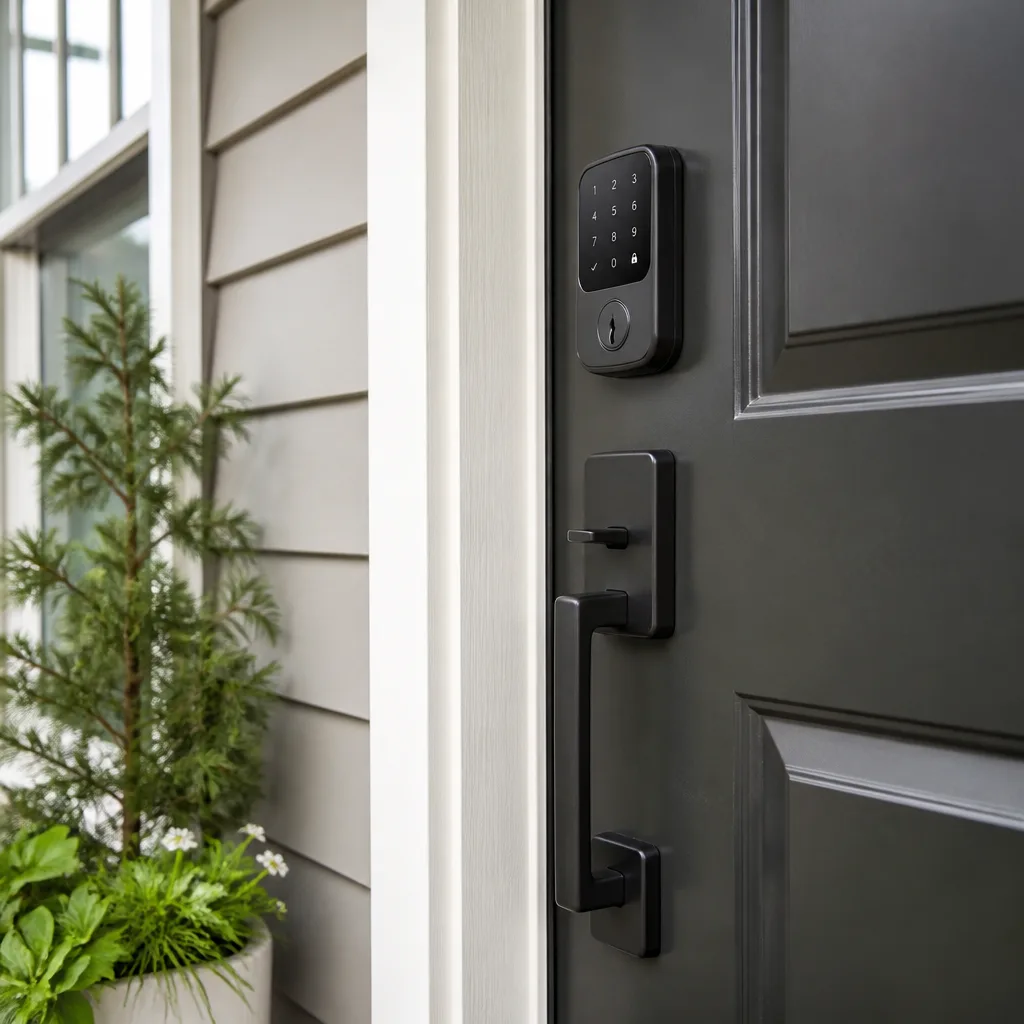 Smart locks
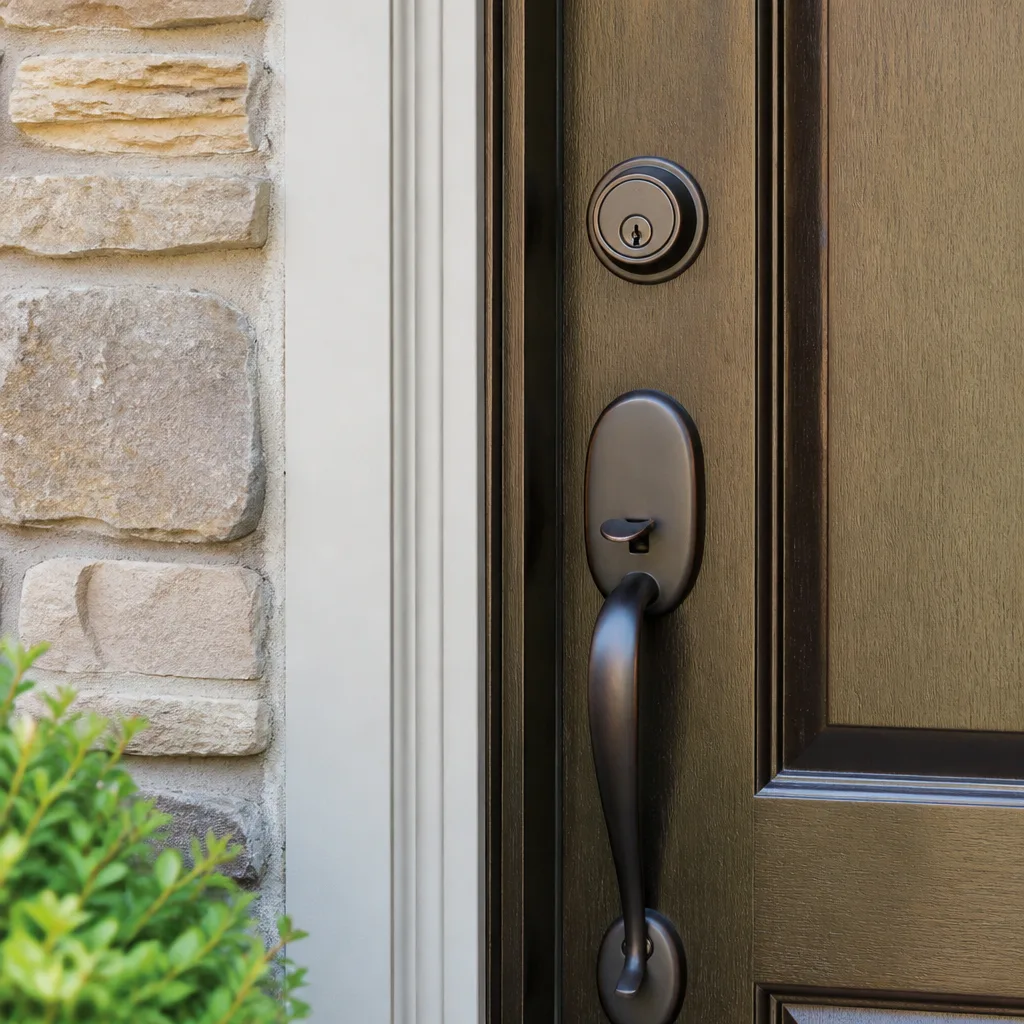 House lockouts
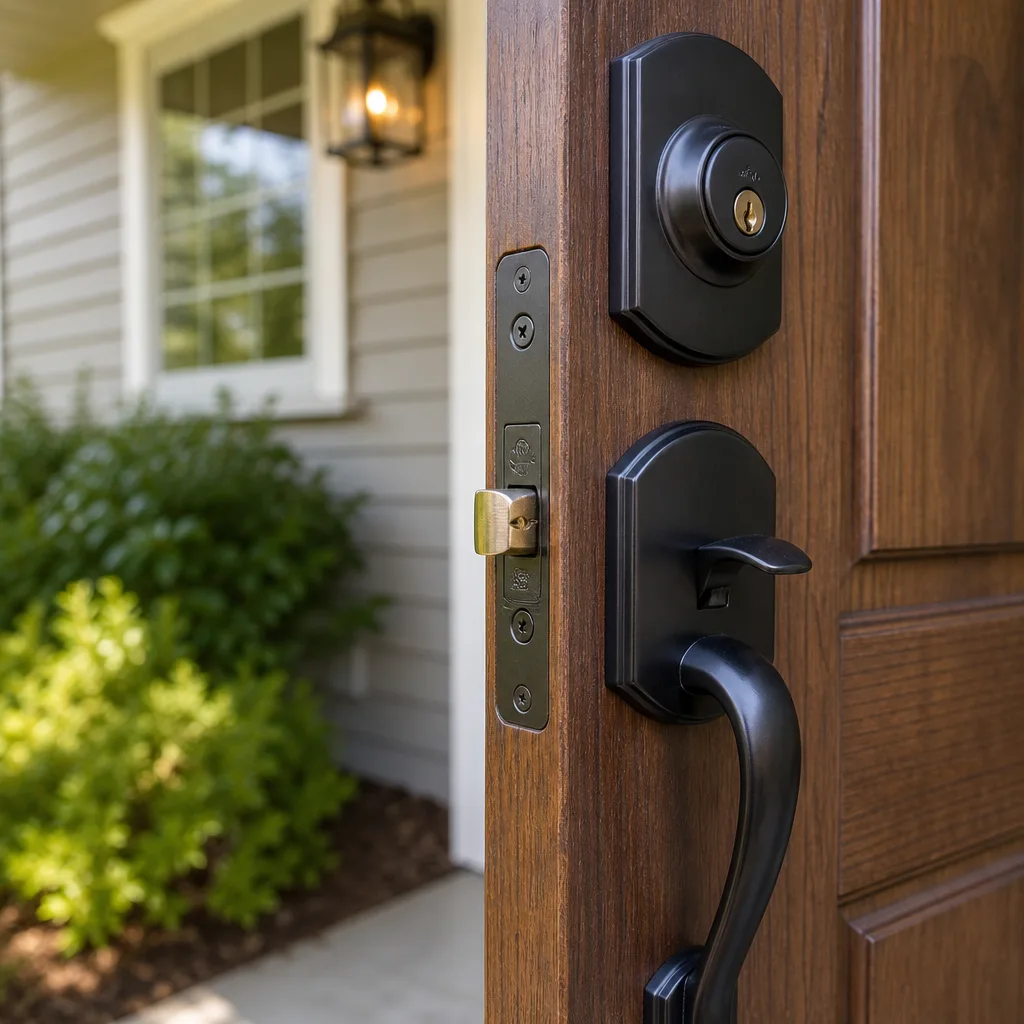 Re-keying
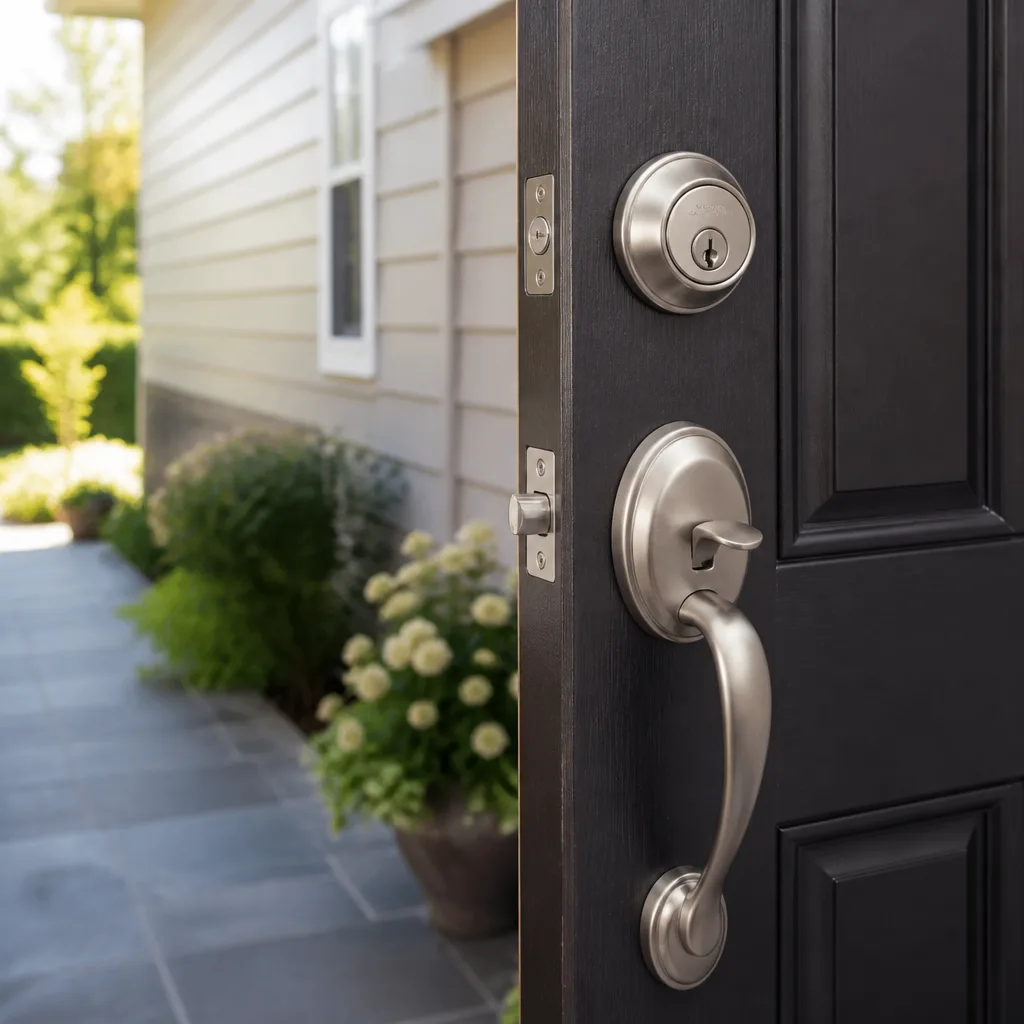 Deadbolt upgrades
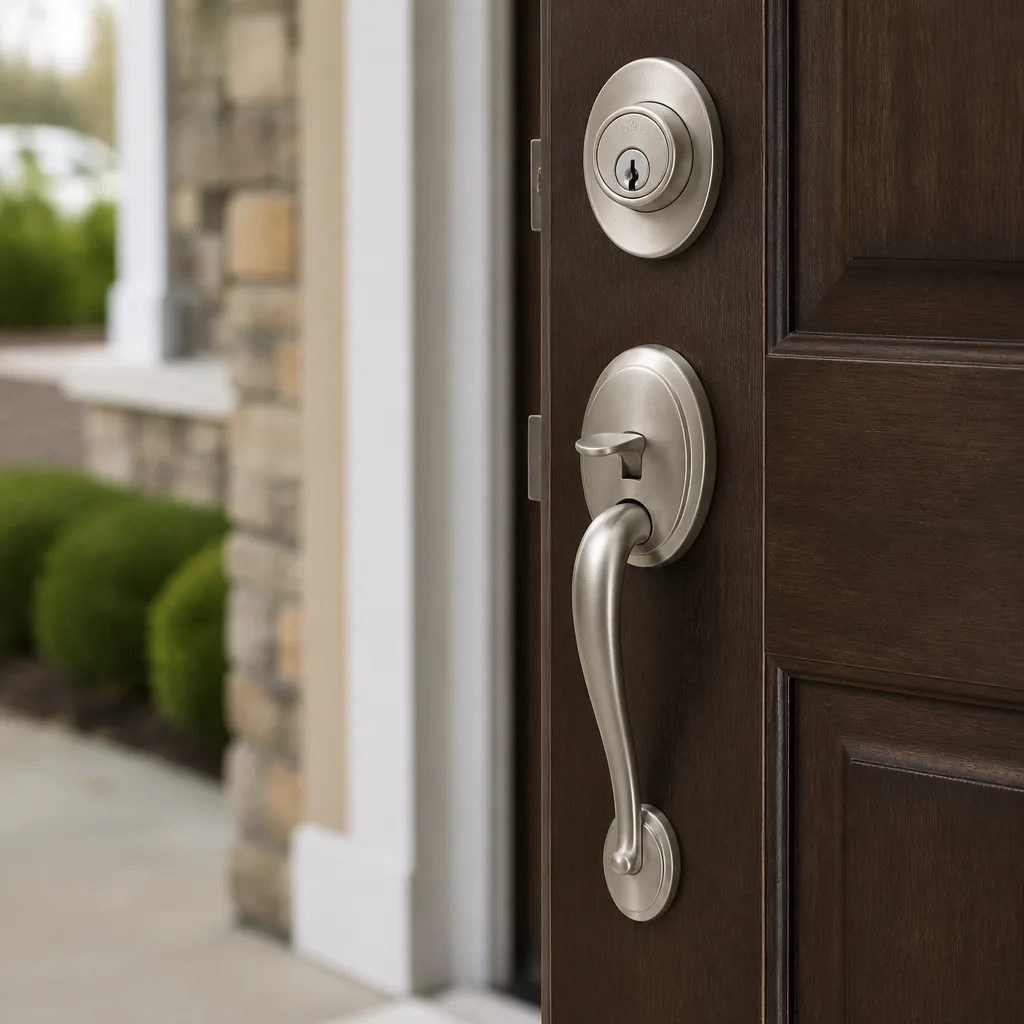 Schlage
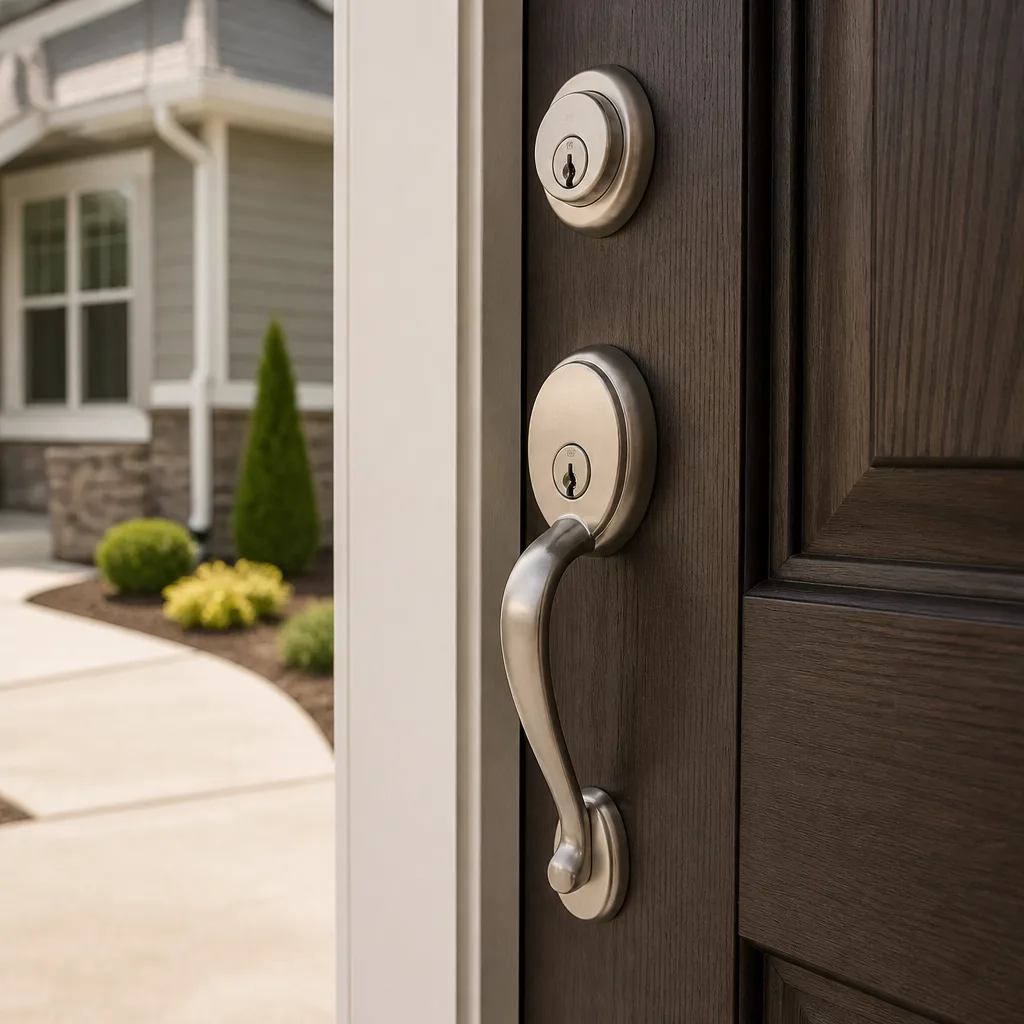 Kwikset
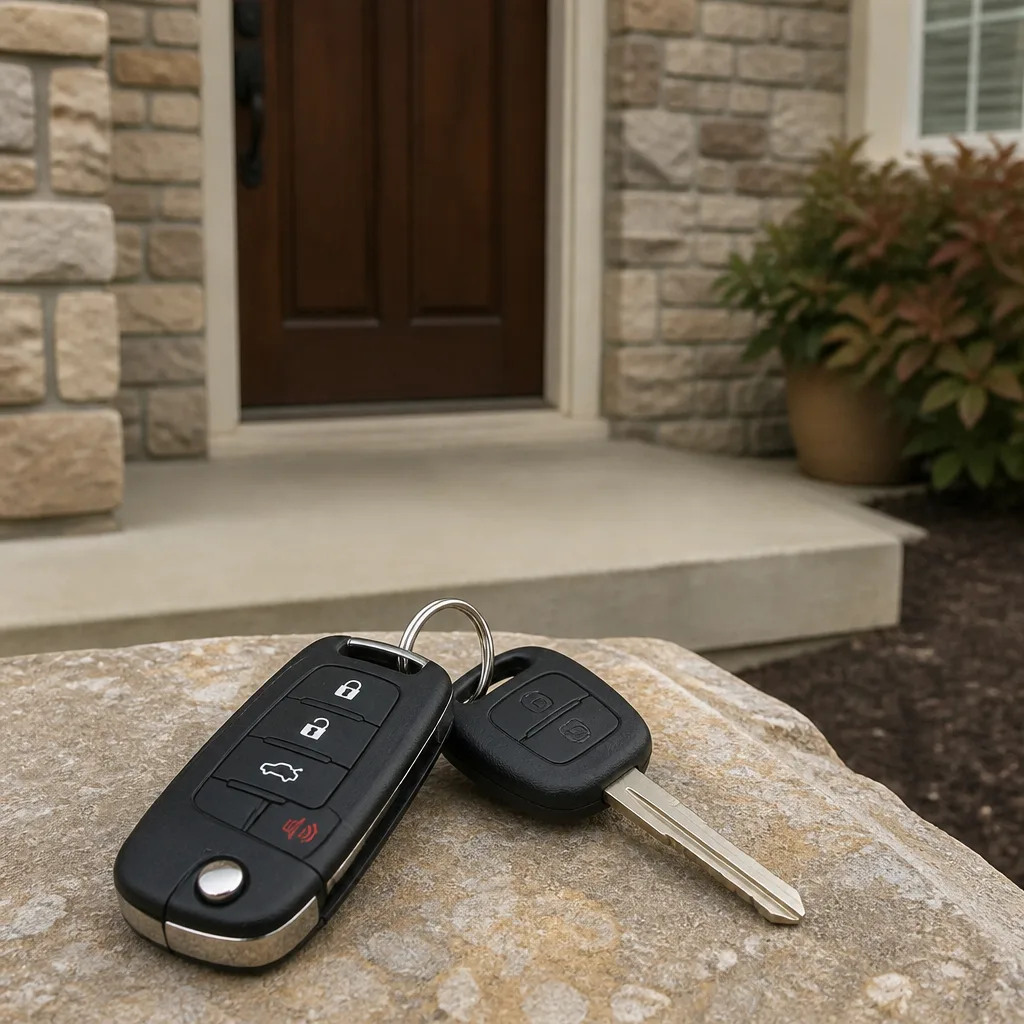 Car keys & fobs
Non-destructive entry first, always - and we re-key Schlage, Kwikset, and Baldwin locks on the spot while you watch
You get a price before we start. It does not change when we arrive. No surprises.
Get your free estimateHow to Hire a Locksmith Contractor in St. Johns: A Step-by-Step Guide
Florida is one of only a handful of states that requires a statewide license to work as a locksmith. That single fact changes how you should hire in St. Johns, because an unlicensed operator answering your call isn’t just cutting corners. They’re working illegally, and if they damage your door frame, scratch your vehicle’s ignition cylinder, or install a deadbolt that fails two weeks later, you have no regulatory body to file a complaint with and no bond to claim against. This guide walks you through the exact steps to vet a St. Johns locksmith before they touch your property, what documentation to demand, and the local red flags that catch homeowners off guard, or explore more guides & resources on protecting your home.
Styles & brands we work with
Quick Answer
To hire a locksmith contractor in St. Johns, verify their Florida DBPR license online before you share your address, request proof of general liability insurance and workers’ compensation coverage in writing, get a flat-price written estimate that itemizes labor and parts before dispatch, and confirm they service your specific lock brand or vehicle without subcontracting the work. Skip any company that quotes a suspiciously low price over the phone, won’t provide a license number, or pressures you to pay in cash only.
Table of Contents
- The Florida License Difference: Why St. Johns Isn’t Like Other Markets
- Step 1: Verify the Florida Locksmith License in Under 90 Seconds
- Step 2: The Three Insurance Documents to Request Before Anyone Touches Your Property
- Step 3: Red Flags Specific to the St. Johns and St. Augustine Shores Market
- Step 4: The Four Questions to Ask Before You Give Your Address
- Step 5: Emergency Call vs. Scheduled Security Upgrade: Two Different Vetting Processes
- Step 6: Hiring for the Lock Brand You Actually Have
- Step 7: What to Confirm Before the Technician Leaves
- Common Mistakes to Avoid
- When to Call a Professional
- Frequently Asked Questions
- The Bottom Line
The Florida License Difference: Why St. Johns Isn’t Like Other Markets
Florida has regulated locksmiths at the state level since 2007, and the licensing requirement applies to every municipality, including St. Johns and the surrounding communities. A Florida locksmith license is issued by the Department of Business and Professional Regulation, or DBPR, and requires the holder to pass a background check, show proof of liability coverage, and maintain their credential through continuing education. For details on regulatory requirements, see Locksmith Permits, Codes & Inspections in FL: What You Need to Know. If a locksmith serving St. Johns cannot produce a valid DBPR license number when asked, that isn’t a minor paperwork issue. It’s a person doing regulated work without authorization. We’ve seen the difference it makes firsthand: someone working on a Schlage deadbolt or a vehicle transponder key without the proper training and insurance often does fine until something goes wrong, and then they vanish. A legitimate St. Johns locksmith understands that licensing is the baseline, not the selling point.
What a valid Florida locksmith license covers is narrower than many people assume. It demonstrates that the holder has passed the state’s requirements to operate a locksmith business. It does not certify that the technician can program a specific automotive key, work on a Medeco high-security cylinder, or install a Baldwin mortise lock correctly. Those skills come from the individual locksmith’s training and experience. So when you hire in St. Johns, you are checking two separate things: the legal right to operate, and the technical competence to handle your specific job. The first is non-negotiable. The second requires a conversation.
Step 1: Verify the Florida Locksmith License in Under 90 Seconds
The DBPR maintains a public license lookup tool that anyone can use from a phone, and checking it before a locksmith arrives should take less than two minutes. This step alone filters out a significant share of the bait-and-switch operators who advertise in St. Johns but don’t hold Florida credentials. Here’s exactly how to do it:
- Open the DBPR license search page on your phone or computer. It’s labeled as the “Licensee Search” tool on the DBPR website.
- Enter the locksmith’s name or license number. Every legitimate Florida locksmith should provide their license number when you ask for it, even on a first call.
- Confirm the license type says “Locksmith” and not a related but different category. Florida issues distinct licenses for locksmiths and for other security services.
- Check the license status. It should read active, not suspended, expired, or delinquent.
- Look at the discipline field. The DBPR records formal complaints and disciplinary actions. A license with multiple resolved complaints is a signal worth noticing.
What a valid license does not cover is just as important. It doesn’t verify that the person who shows up at your door is the license holder or an employee covered under the business license. Ask for the technician’s name when they arrive and confirm it matches the business you verified. It also doesn’t guarantee pricing behavior, which is why the insurance and estimate steps below matter just as much. But this first check takes 90 seconds and eliminates the riskiest operators from consideration before they ever see your address.
Step 2: The Three Insurance Documents to Request Before Anyone Touches Your Property
A license proves the state has authorized someone to work as a locksmith. Insurance proves there’s money available to fix the damage if the work goes wrong, and in St. Johns where many homes and vehicles are newer and repair costs run high, that protection matters—see our Locksmith Cost Breakdown: The St. Johns Homeowner’s Reference for 2026 for typical pricing. Most homeowners never ask to see a certificate of insurance, and unlicensed or thin-margin operators count on that. Three documents are worth requesting before any technician puts a tool to your lock, door, or car:
- General liability insurance. This covers damage to your property. If a locksmith drills out a lock incorrectly and damages the door slab, general liability is what pays for the repair or replacement. Ask for a certificate that names the locksmith business and shows coverage limits, and glance at the policy dates to confirm it’s current.
- Workers’ compensation insurance. If a technician gets hurt on your property, workers’ comp determines who pays the medical bills. A locksmith without it may still get the job done, but if their employee is injured at your front door, the claim can end up against your homeowner’s policy.
- Vehicle damage coverage for automotive work. This is the one almost nobody asks about. Car key replacement and lockout work on vehicles involves door panel removal, ignition cylinder access, and transponder programming. If the technician damages your door panel clips or scratches the interior trim, you want written confirmation that their policy covers automotive interiors specifically, not just general property.
Requesting these documents feels awkward the first time. A legitimate St. Johns locksmith will send them without hesitation, because they carry them anyway. We send certificates to anyone who asks, and we ask our commercial rekeying clients to keep ours on file. An operator who gets defensive or claims insurance “doesn’t apply to this job” is telling you something useful about how they would handle a problem.
Step 3: Red Flags Specific to the St. Johns and St. Augustine Shores Market
St. Johns has its own particular landscape of locksmith problems, and many of them trace back to a single pattern: non-local dispatch services that buy Google Ads, rank for “locksmith St. Johns FL,” and then route your call to whichever unvetted technician happens to be nearby. Our Locksmith Emergency Preparedness Guide for St. Johns Homes explains how to avoid these traps. These operations often run out of regional call centers, not St. Johns storefronts, and their pricing models are built on the assumption that you’ll never see them again. The signs are recognizable once you know to look:
- A quote that sounds too low. If the phone agent quotes a flat number before asking anything about your lock, your door, or your vehicle, the number is almost certainly not the final number. The on-site technician will find a reason to triple it once they’re at your door.
- Refusal to send a written estimate before dispatch. Any locksmith who can’t produce a written scope with a firm price before leaving the shop is planning to negotiate on your doorstep, where you have less leverage.
- Cash-only payment demands. There’s no legitimate reason a licensed St. Johns locksmith can’t accept a card or provide an invoice. Cash-only is a common tactic for making the transaction hard to dispute.
- Generic “locksmith services” branding with no local information. Click through to the website. If there’s no St. Johns address, no named people, and no information about the business itself, you’re looking at a dispatch front.
- Unmarked vehicles and no uniformed technician. A licensed locksmith in Florida shows up in a marked vehicle with identification. An unmarked personal car is a red flag on its own.
We say this because we compete in the same St. Johns market, and we’ve watched these patterns repeat for years. The good operators in this area know each other’s work. The bad ones rely on never being in the same place twice. Verifying a license and demanding written estimates removes most of them before you ever give out your address.
Step 4: The Four Questions to Ask Before You Give Your Address
Once you’ve verified the license and requested insurance documents, structure the actual hiring conversation around four questions. These should be asked on the initial phone call, before the locksmith is dispatched, and the answers determine whether you proceed. A legitimate St. Johns locksmith answers all four without pausing.
Question 1: What is your Florida DBPR license number? This is a test as much as a request. A licensed operator rattles it off or offers to text it immediately. An unlicensed one changes the subject. Write the number down and verify it while you’re still on the call if you can, or have them text it and check before they leave. The Kingsley Locksmith home perspective is simple: anyone who won’t provide this number before dispatch shouldn’t be dispatched.
Question 2: Can you send a written estimate that includes parts and labor before you leave? The heart of bait-and-switch pricing is a verbal number that’s never written down. A written estimate should itemize the service call, the labor, and the specific parts or key fob being used. If the job changes once the technician sees the lock, that should trigger a revised written estimate before any additional work begins, not a surprise at invoice time. This is where the difference between an estimate and a telephone guess becomes visible.
Question 3: Do you handle this lock brand or vehicle model in-house? St. Johns homes carry everything from mid-range Schlage and Kwikset hardware to Medeco and Mul-T-Lock high-security cylinders that most generalist locksmiths will not touch. On the automotive side, not every locksmith can program every key fob. If the answer is “we’ll see when we get there,” that’s not an answer. A capable locksmith knows which brands and models they can service before they arrive. We work across the full range from Kwikset to Abloy specifically because we’ve built the tooling and training for the high-security end of that spectrum, and we’re direct about what we can and can’t do before we leave the shop.
Question 4: Is your price the price on the invoice, or are there additional dispatch or emergency fees? Every legitimate locksmith should be able to state plainly that the price quoted on the phone is the price on the invoice, assuming nothing changes about the job. If the answer hedges, or mentions “additional fees may apply” without specifying what they are, keep looking. The St. Johns market has enough capable licensed locksmiths that you never need to accept ambiguity on price.
Step 5: Emergency Call vs. Scheduled Security Upgrade: Two Different Vetting Processes
Most homeowners apply the same hiring process to every locksmith need, but an emergency lockout at 9 PM and a scheduled rekeying or security upgrade are fundamentally different situations with different risks. When you’re locked out of your car on a St. Johns side street or standing outside your front door in the dark, your leverage is reduced and your time pressure is real. That’s when the non-local dispatch services do their best work, because they count on you skipping the vetting. For an emergency call, the process compresses to the essentials: state license number, firm bottom-line price before dispatch, and confirmation the technician can handle your vehicle or lock type. Ask those three things even under time pressure. The Emergency Locksmith in St. Johns standard is that no one should have to choose between speed and basic verification; both are available from a legitimate operator.
For a scheduled job, like Rekey Locks in St. Johns after a move or a security upgrade to better hardware, the vetting should go deeper. You have time to request the three insurance documents, verify the license at your leisure, get a written scope, compare two bids, and ask specific questions about the hardware being installed. A scheduled job is also where brand expertise matters most. If you’re replacing a front entry lock with a Baldwin mortise set or upgrading to a Medeco high-security cylinder, you want a locksmith who has installed that exact hardware before, not someone learning on your door. The difference in process matches the difference in stakes: an emergency call is about getting back in safely; a scheduled upgrade is about getting the security right for years.
Step 6: Hiring for the Lock Brand You Actually Have
The lock industry runs on a split that most homeowners never see. On one side are the volume brands: Schlage, Kwikset, and Yale, which appear on most residential doors and are serviced by almost any licensed locksmith. On the other side are the high-security and architectural brands: Medeco, Mul-T-Lock, Abloy, Sargent, and Baldwin, which require specialized tools, restricted keyways, and sometimes factory-level training to service correctly. Hiring for the first type of lock and hiring for the second are different exercises.
If your home or business uses Schlage or Kwikset, a licensed St. Johns locksmith with general experience will handle the work, and rekeying is a straightforward job. But if you carry a Medeco key with its distinctive chiseled bow, or a Mul-T-Lock with its dimpled cuts, or an Abloy with its rotating disk mechanism, the pool of capable locksmiths shrinks considerably. These brands use restricted keyways, which means duplicate keys come only through authorized channels, and servicing the cylinders requires tooling that most generalists simply don’t own. We built our service around the full range, from Kwikset to Abloy, because the high-security end of the market is where homeowners most often find a locksmith who can’t finish the job. Ask directly: “Do you service this brand in-house, or do you refer it out?” If the answer is refer out, the locksmith you’re talking to is a lead generator for that job, not a service provider.
The same principle applies to automotive work. A Car Key Replacement in St. Johns is rarely just cutting a metal key. Modern vehicles use transponder chips, proximity fobs, and encrypted programming that varies by make and model. A locksmith who can rekey a Schlage deadbolt may have no ability to program a key for a late-model Ford or Honda. Ask the locksmith to confirm they can program your specific vehicle’s key type before dispatch. Those of us who handle automotive work in-field do so with programming equipment that travels in the van, and we know before leaving which vehicles we can cover.
Step 7: What to Confirm Before the Technician Leaves
The hiring process doesn’t end when the work begins. Before the technician packs their tools and drives away, there are four things to confirm. First, test the lock or key yourself, multiple times, in every position. A lock that works from the outside but sticks from the inside isn’t done. Second, collect copies of any new keys and ask whether the locksmith has filed your key code or retained any records; some high-security brands require registration, and you should know where that information lives. Third, get the final invoice and confirm the price matches the written estimate you approved, no line items added without authorization. Fourth, ask who handles warranty work or callbacks if the lock malfunctions. A locksmith who installed a Schlage or Kwikset lock should stand behind the installation labor, and hardware defects go through the manufacturer. Write the name and number of the specific technician on the invoice for later reference.
This is also the moment to photograph the work. A clear photo of the installed lock, the new keys, and the receipt creates a record if something fails months later. In St. Johns, where coastal humidity and salt air accelerate wear on exterior hardware, having that documentation matters more than it would inland. Hardware that looks fine at installation may corrode or bind within a season, and knowing exactly what was installed, when, and by whom makes a warranty claim or a callback much simpler.
Common Mistakes to Avoid
- Hiring based on the first Google result without checking the license. Paid ads put non-local dispatch services at the top of St. Johns searches, and a high ad ranking says nothing about licensing or competence. Run the DBPR check every time.
- Accepting a verbal quote as binding. Until the number is written down with a parts and labor breakdown, it doesn’t mean anything. Always request the written estimate before dispatch.
- Skipping the insurance check for small jobs. A “simple” rekey can still damage a door or a lock, and an emergency lockout can scratch a car’s interior. Small jobs cause real damage too.
- Treating an emergency call and a scheduled upgrade the same way. Emergencies demand compressed vetting, but scheduled work deserves the full license, insurance, and written-estimate process.
- Assuming every locksmith can handle every lock brand. High-security brands like Medeco and Mul-T-Lock need specialized tools and training. Ask about your specific hardware before the technician arrives.
- Paying cash at the door from a technician with no uniform or marked vehicle. This is the signature of an unlicensed operator. A legitimate Florida locksmith shows up identifiable.
- Not testing the lock or key before the technician leaves. Once they’re gone, a callback is a new service call. Test everything while they’re still there to fix it.
When to Call a Professional
Some jobs are clearly professional territory from the start: a car lockout with a transponder key, a Medeco or Mul-T-Lock that needs rekeying, a commercial property with multiple cylinders, a broken key extractor situation, or any lock that binds and resists turning. But even jobs that look simple often aren’t. A Schlage deadbolt that turns fine one day and sticks the next may have a failing cylinder that a lubricant spray won’t fix. A car key that stopped programming may be a fob issue or a deeper electrical fault. If you’re not certain of the cause, calling a St. Johns locksmith who can diagnose on-site costs less than a botched repair. Kingsley Locksmith offers free estimates in St. Johns, call (855) 360-5957.
Frequently Asked Questions
Locksmith pricing in St. Johns varies by job type, with simple rekeying typically running lower than car key replacement or emergency lockout work, and the final number should always be quoted in writing before dispatch. The best way to get an accurate price is to call and describe the exact job, ask for a written estimate, and confirm the quote includes both parts and labor. Call (855) 360-5957 for a free estimate from Kingsley Locksmith.
Check the Florida DBPR license lookup tool using the locksmith’s name or license number, and confirm the status reads active with no disciplinary actions. A licensed locksmith will provide their DBPR number without hesitation, and you should verify it before giving out your address.
With a legitimate St. Johns locksmith, the phone quote should match the invoice unless the scope of work changes after the technician sees the job, and any change should trigger a new written estimate before additional work begins. Never accept a verbal quote as final, and be wary of any locksmith who adds fees without explaining them in writing first.
Yes, a locksmith with automotive programming equipment can cut and program most car keys and transponder fobs on-site, without a tow or a dealership trip. Confirm with the locksmith that they handle your specific vehicle make and model before dispatch.
If your lock carries a Medeco, Mul-T-Lock, Abloy, or Sargent key, yes, because these brands use restricted keyways and specialized cylinders that require specific tooling and training to service. Ask the locksmith directly whether they service your brand in-house or refer it out.
Emergency locksmith response times in St. Johns depend on the technician’s current location and call volume, but a local operator can typically reach most St. Johns neighborhoods far faster than a non-local dispatch service routing from outside the area. For an exact arrival estimate, call (855) 360-5957 and describe your location and situation.
The Bottom Line
Hiring a locksmith in St. Johns is a two-part process: verify the legal right to operate, then verify the technical competence for your specific job. The Florida DBPR license check takes 90 seconds and eliminates the worst actors. The three insurance documents protect you when something goes wrong. Written estimates with parts and labor itemization prevent bait-and-switch at your doorstep. And brand-specific questions separate locksmiths who can handle your Schlage or Kwikset hardware from those equipped for Medeco, Mul-T-Lock, or Abloy systems. Do these checks every time, emergency or not, and the result is a fixed lock or a working key with no unpleasant surprises. Skip them, and you’re trusting your property to whoever answered the phone.
Written by the team at Kingsley Locksmith, serving St. Johns since 2016.